
Published in cooperation between cryptonews and The Pajaronian
Digital payments are no longer just something people use when they shop online. For many, they have become part of everyday life in a quiet but powerful way. It is now completely normal to leave the house with nothing but a phone, pay for coffee in a couple of taps and send a friend your share of the bill before you have even stood up from the table.
A lot of this shift comes from the demand for tools that feel flexible, fast and respectful of personal privacy. That is why conversations about digital finance so often mention no kyc wallets, because a growing number of users want simple and low-friction ways to move crypto without sitting through long identity checks. These habits are slowly reshaping how people think about banking, about what privacy means and about how much control they want over their own finances.
As digital wallets spread, they quietly change the many small moments that make up a normal day. Buying groceries, paying a bill, or topping up a travel card used to feel like small errands that required planning. Now they are quick actions squeezed into spare moments, like waiting for a train or standing in a queue. The change has not arrived with a single big event, but with thousands of small choices that people make every week as they reach for their phone instead of their physical wallet.
Convenience That Fits Modern Lifestyles
Digital wallets have earned their place because they remove friction from situations that used to feel slightly awkward or time-consuming. Sending money to a family member who lives in another city, paying a local hairdresser, or settling up after a group meal can all be done in a short stretch of time with a few taps on a screen. Commuters walk through ticket barriers without digging around for cards, and parents clear school payments while they relax on the sofa in the evening. Once someone gets used to this level of ease, going back to coins and paper slips feels strangely old-fashioned, which is why so many people have opted to start using digital wallets.
A New Wave of Financial Independence
Digital wallets have opened up financial services to people who have never quite fitted the traditional banking model. Freelancers, gig workers and those with irregular income patterns often prefer tools that help them receive payments fast and keep track of their money without having to go to a branch or wait for forms to be processed. In rural areas-places where banks may have closed or moved, a reliable digital wallet can feel more useful than a distant physical branch with limited opening hours.
Security Has Become Stronger and Smarter
Wherever money is involved, security sits at the center of people’s concerns, and digital wallets have developed quickly in this area. Behind those simple-looking screens, there are layers of encryption and security checks that are working their magic in the background constantly. Many users would definitely feel more comfortable opening an app to see their recent transactions and live balance than waiting for a monthly statement that may well be out of date by the time it actually arrives.
Changing the Way People Shop
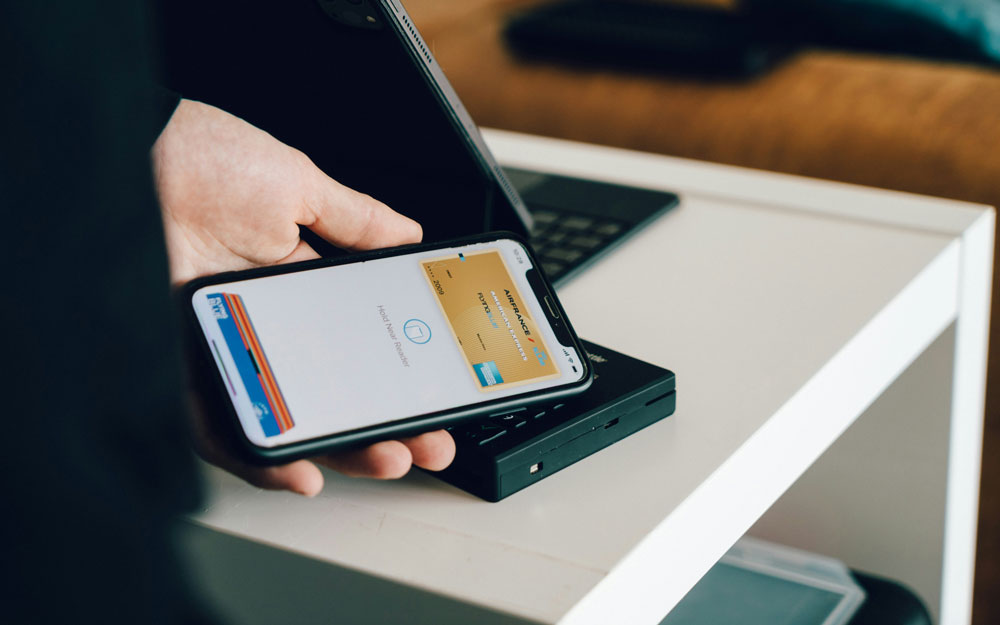
The effect of this on shopping habits is easy to see if you watch a busy store for a while: customers step up to the till, tap their phone or watch and leave with their shopping without ever opening a physical wallet. At market stalls or small, independent shops, it’s common to see staff taking payments using a phone or tablet-a fact that enables them to take card and wallet payments without investing in bulky machines. That flexibility can make a real difference when it comes to small businesses and side projects needing to stay lean.
Digital Wallets and Travel
Travel is another area where digital wallets have become quietly indispensable for many people. In cities from around the world, visitors can pay for buses, trains and taxis with a quick tap, without working out local coins or standing in line for paper tickets. An increasing number of cafes, attractions and shops welcome the same methods-meaning travelers can get around with a single familiar tool rather than juggling cards and cash in different currencies.
Some wallets even enable users to hold multiple currencies or convert between them in a straightforward way, which removes a lot of the mystery from exchange rates. The reassurance that comes from knowing you are not carrying large amounts of physical cash is important, too. If something happens to a device, the wallet can often be frozen quickly, which gives travellers one less thing to worry about in an already unfamiliar environment.
The Social Side of Payments
It’s easy to get hung up on the technical side of digital wallets and forget how much they’ve altered social situations revolving around money. Splitting a restaurant bill no longer involves the sight of coins being passed around the table or trying to remember who ordered what. One person pays, then others send their share in a few taps.
Parents can support children who live far away from them with quick transfers, rather than waiting around for cheques or complex bank moves. Because these micro-interactions have become smoother and more transparent, they’ve taken some of the tension out of conversations that used to feel uncomfortable. The ability to handle shared costs in a way that feels fair and easy to track helps friends, partners and roommates keep attention on the experience itself rather than on the awkwardness of sorting out who owes what.
Reflections on a Changing Financial World
Digital wallets have changed everyday life-not in loud, dramatic ways, but by burrowing into the thousands of ordinary moments, quietly smoothing out tasks that once felt fumbling or slow, until it’s hard to imagine doing them any other way.
People pay, send, save and receive money with their phones, nearly on reflex, confident that the details are being handled securely behind the scenes. Whether they value convenience, privacy, flexibility, or a mix of all three, digital wallets are shaping how they move through the financial side of modern life.