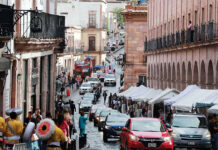

I’ve been visiting San Jose since the mid-1970s.
My first stop there was when a friend dropped me off at the airport after we drove from Eugene, Oregon. I was headed to San Diego to see my parents and that drive cut my trip in half. With no reservations, I walked up to the PSA Airlines counter and bought a one-way ticket for $32. The next flight was about an hour away. Those were the times when you just walked onto the plane and found a seat, like a city bus. No TSA. No ID. No boarding pass and my shoes never left my feet. (On a side note, PSA also used to offer the Midnight Flier, a midnight flight from San Francisco to San Diego most nights for $15.)
There’s been mountains of change since then, of course, and San Jose—with a population hovering around 1 million—offers a wealth of rich and important spots that warrant even a simple day trip which my wife Sarah and I frequently take.
Just recently we took the one-hour drive from Watsonville to San Jose out Highway 129 to Hwy 101 north. Our GPS gadget steered us onto Hwy 85 to Hwy 87 and into downtown. We lucked out with a parking spot just outside the San Jose Museum of Art, 110 S. Market St. and a small handful of quarters gave up ample time to take in their exhibits.
The main feature was the first major exhibition of Pao Houa Her’s photographs that showcased her Hmong American community. We wandered the halls and various galleries and then came upon a huge crochet show by Ektor Garcia. His work included scads of materials, from traditional cotton string and wool yarns to shiny copper and steel wires and even old bicycle tires.
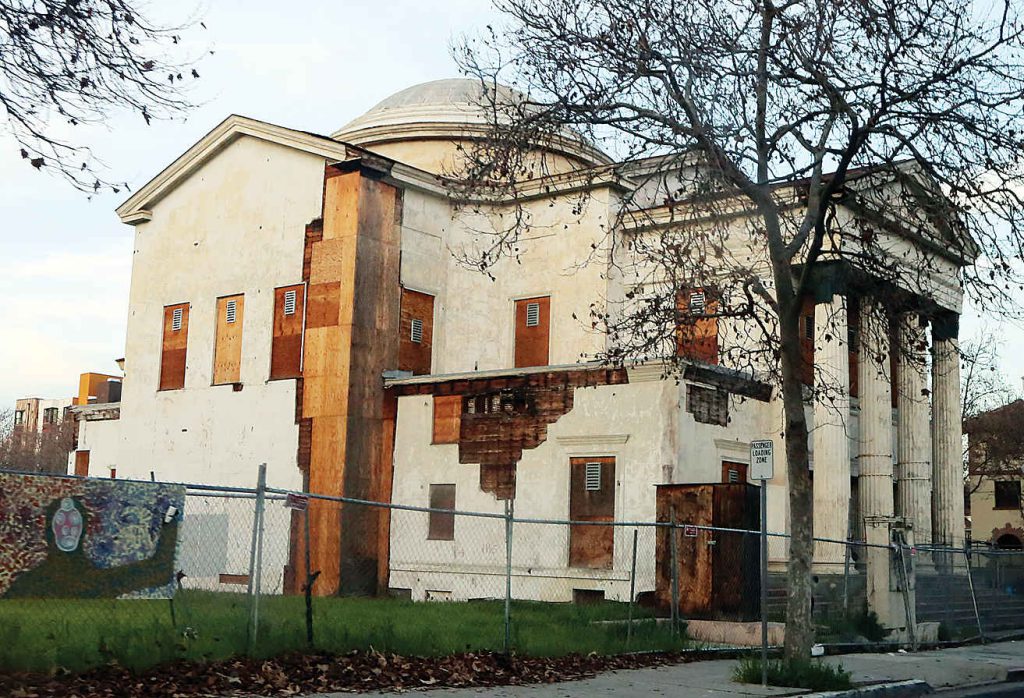
Then we took a short drive along 1st Street to East James Street past a giant abandoned and boarded up church, the former First Church of Christ Scientist near St. James Park. Built in 1905, we learned that it has been closed up since the 1970s. It sat so long coated in scaffolding and tarps that it gained the name, “Trash Bag Church.” However, the tarps and such came down a few years ago when the contractor for the project removed them. The future of the building remains uncertain.
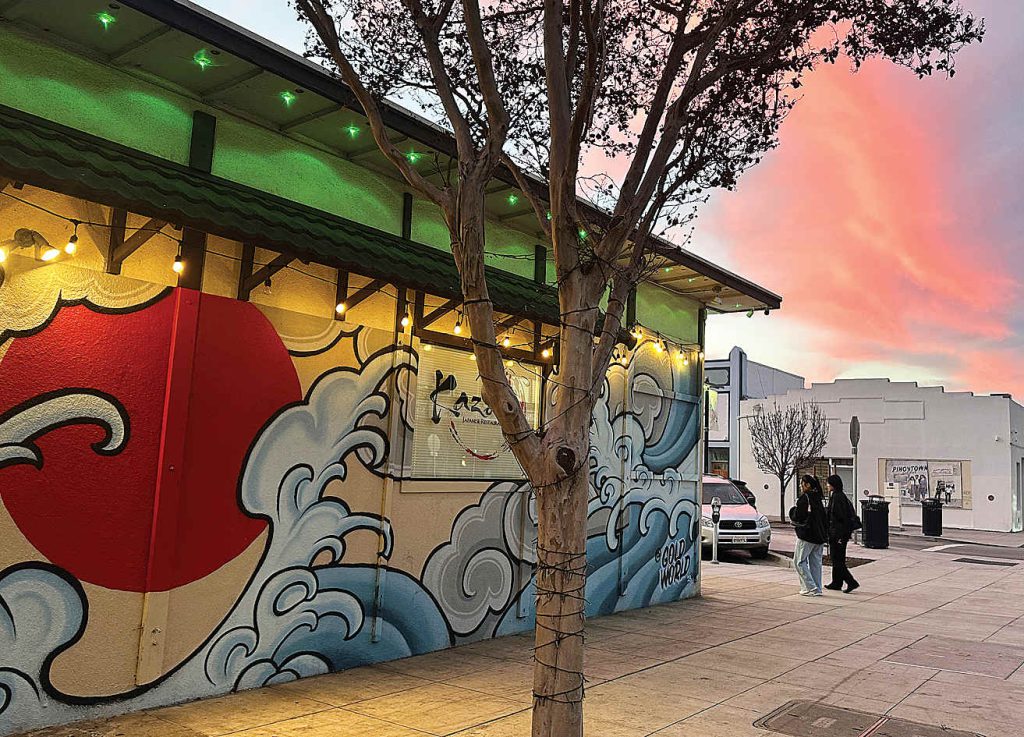
Next, we drove a short distance to Japantown. Also known as Jtown or Nihonmachi, it is one of only three surviving Japantowns in the United States, including San Francisco and Los Angeles.
Sprinkled through that part of town are several granite benches created by funds from SB307, a bill aimed at preserving Japanese-American culture. Each bench features information about the historic significance of that site.
Standing in the center of it all is a curious towering sculpture, the Nikkei Lantern. According to the Japanese American Museum of San Jose, the outdoor sculpture is best viewed in the darkness of the night. “Guiding lights along the length of the lantern reflect the optimism of the Nikkei generations, ending at the top with a torch, symbolizing eternal hope.”
Etched in the bend of the lantern is February 19, 1942, the date Executive Order 9066 was signed. The bend is designed to symbolize “the profound stress and dislocations imposed upon Japanese Americans during internment.” In 1941, there were around 53 businesses in Japantown. After the war, many residents there resettled in the area.
The agricultural industry drew many folks to the Santa Clara Valley in the late 1880s and Japantown began around 1900 as a Japanese farming community settled in.
In the next part of this story we further explore Japantown and then head over to San Pedro Square, established in the early 1970s, for dinner at Serious Dumpling for their incredible Shanghainese dishes.
PART 2
While we focused on catching the latest exhibit at the San Jose Museum of Art—and a brief waltz through Japantown—we left the windows open for the unexpected.
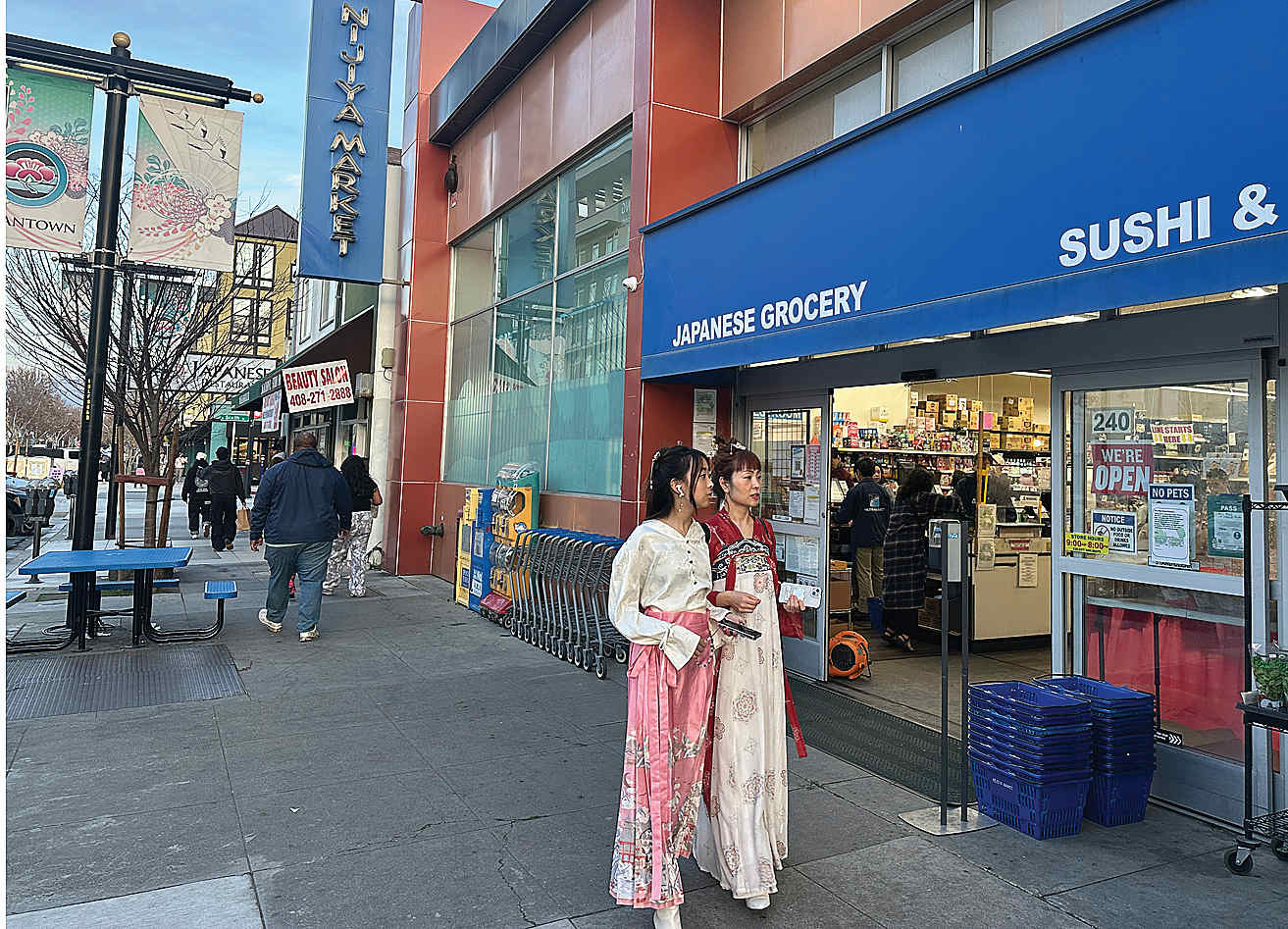
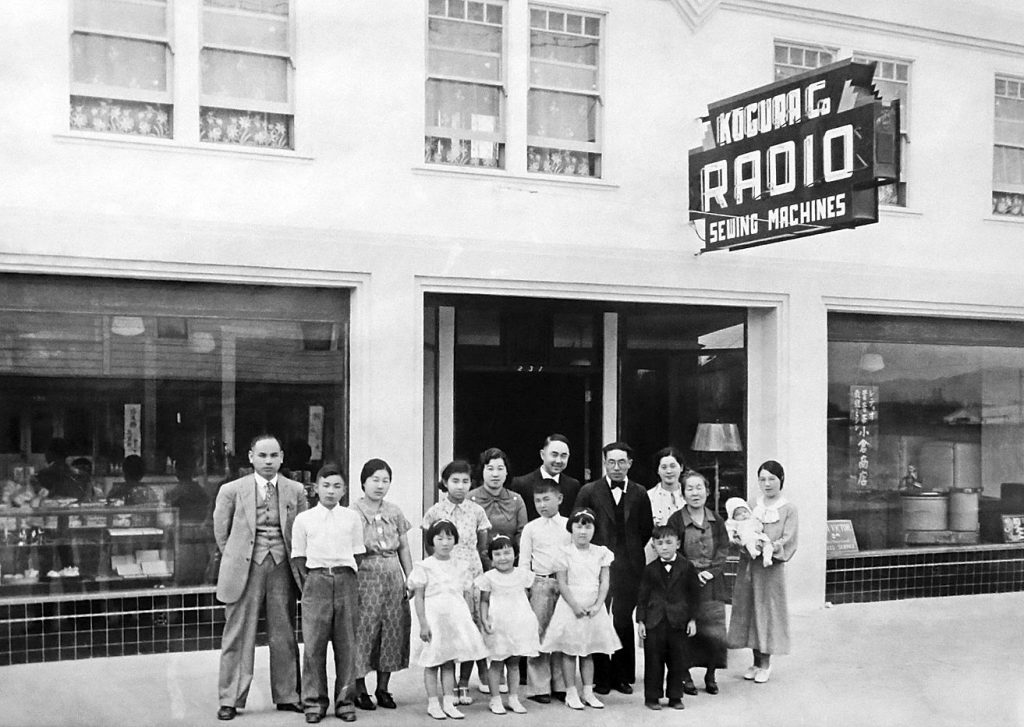
We always need something from the popular Nijiya Market, 240 Jackson St., a Japanese supermarket with vegetables, meat, fish, sushi, dry goods and their in-house bakery. We’ve found that there’s a relaxed atmosphere in this area and it’s inviting to roam the streets and various businesses including the Kogura Co. Gifts store, established in 1928. Their array of Japanese pottery, house decor, artwork, kitchenware and such is extensive. In their window is a curious black-and-white framed photo, dated 1936, that appears to be a large group family portrait. Over their heads in a similar sign to the one hanging there today, but with the words “Kogura Co. RADIO Sewing Machines.”
Another sign posted nearby reads: “San Jose Japantown was the center of many amusements. We had theater that performed Kabuki and modern shows, like ‘love stories.’ When I was young, people gathered here with their horse and wagon — just tied their horse up to the post and sometimes kept it there all day and night. It was the only place Japanese people could gather.” — Katsusaburo Kawahara.
Next, we took a short drive to downtown San Jose to San Pedro Square Market, 87 N. San Pedro St., which was established in the early 1970s. The place showcases a wealth of eateries, including Gameday, Hella Good Burger, ID Cafe, Alma Taqueria, The Gelato Shop, Market Beer Co., Master Shin Korean Plate, Pasta Fresca, Phenomenal Noodle House, the San Pedro Market Square Bar and on and on. Their courtyard has a stage area where there’s often live music to go along with your food and drinks with plenty of comfortable indoor and outdoor seating.
Adjacent to San Pedro Market is the Peralta Adobe Plaza and the Gonzales/Peralta Adobe—Fallon House Historic Site. According to HistorySanJose, “The adobe was built in 1797 by José Manuel Gonzeles, an Apache Indian—also the first resident, and second mayor, of San José. The second occupant was Luís María Peralta, who held the highest office in the community as commissioner. Both were part of the Juan Bautista de Anza expedition. The adobe is the last remaining structure from El Pueblo de San José de Guadalupe.”
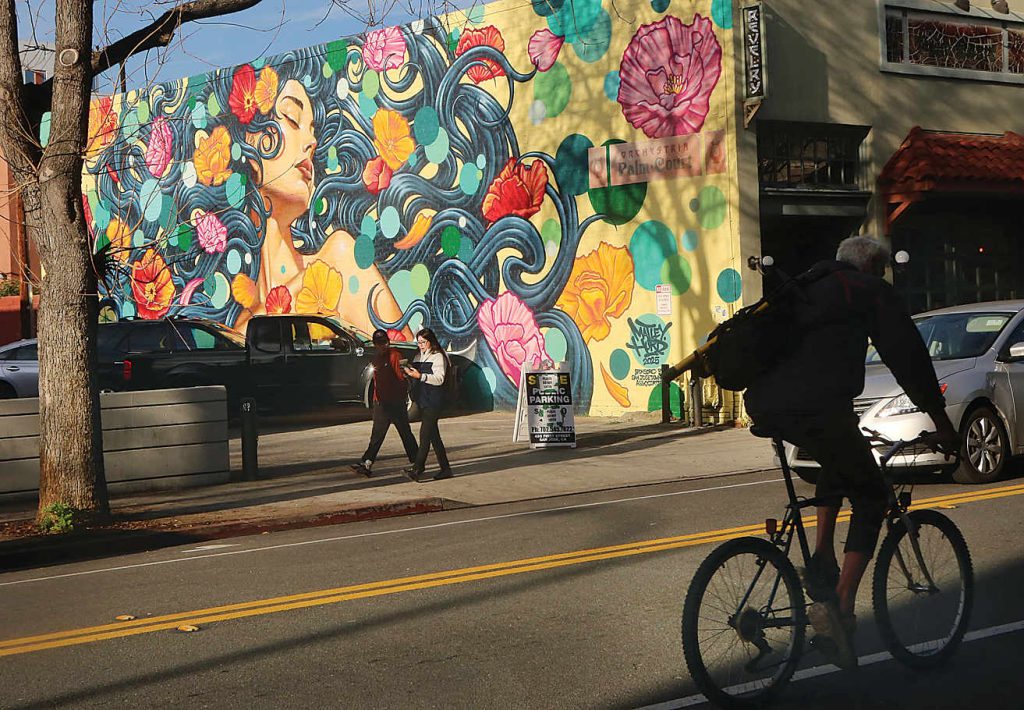
A big plus for pedestrians is the closed-off section of North San Pedro Street between San Pedro Square and West Santa Clara Street where people wander freely between colorful murals, bustling shops and restaurants for a great sampling of the pulse of the city.
We were lucky to be seated for dinner, after a few minute wait, at Serious Dumpling. Their fresh house-made dumplings, noodles, classic Shanghainese dishes, Sheng Jian Bao and unique recipes with beef, pork, shrimp and vegetarian fillings have proven over and over to be a warm and fulfilling meal.