

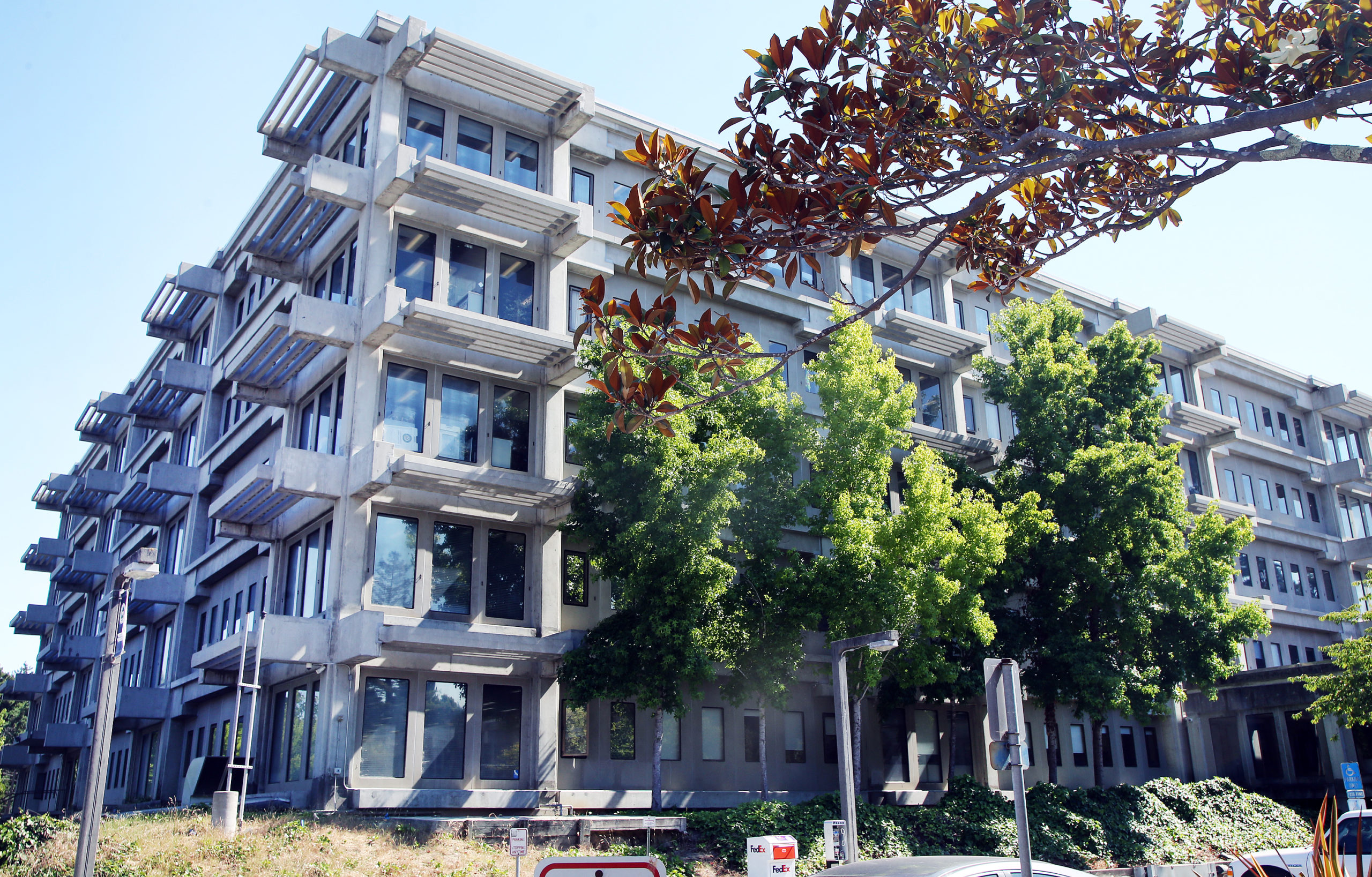
The three candidates vying to be the next District 4 Supervisor met at a public forum Wednesday night, each ready to discuss where they want to lead Watsonville and the Pajaro Valley.
Felipe Hernandez is the current supervisor for District 4. He is challenged by Elias Gonzales, associate director of movement building at the non-profit Youth Collective, and Tony Nuñez, the marketing and communications manager for the non-profit Community Bridges and former managing editor at The Pajaronian. Nuñez also serves as board chair of the Pajaro Valley Health Care District, which oversees Watsonville Community Hospital.
If none of the candidates receive more than 50% of the vote in the June 2 primaries, the top two vote-earners advance to the November election.
Candidates navigated questions over major public policy concerns, including housing, Watsonville’s unhoused population and affordability.
For the past several months, a major concern for many voters has been whether or not the county will approve a battery storage facility off Minto road. Hernandez and Nuñez both favored safely approaching development, with input from community members about mitigating public health effects. But for Gonzales, the battery plant is “a big no.”
“I understand the need for renewable energy and for storage, I just don’t believe we need it here in our community,” Gonzales said. “Most folks are telling me they’re against it. So for me, I stand behind community. If the community says we’re not doing this, we’re not doing this.”
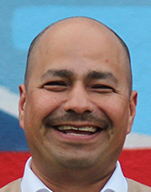
On the topic of the unhoused population in Watsonville, Hernandez mentioned the tiny homes project that provided rooms to unhoused people living along the Pajaro River Levee.
“I’ve had conversations with the governor’s staff to make sure we get those projects through,” Hernandez said. “We need more mental health residential services and more housing like the tiny home projects.”
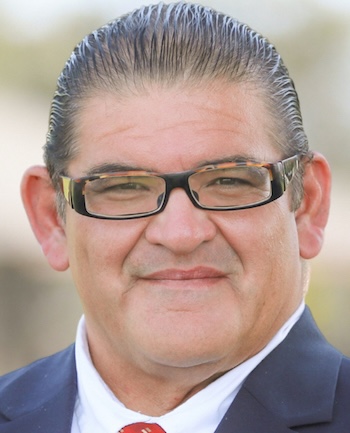
In contrast, Nuñez focused his answer on preventing homelessness at the source.
“A lot of times the evictions that cause homelessness are just a result of miscommunication, and those things can be resolved through conflict resolution,” he said. “It saves the public multiple millions of dollars every single year if we prevent homelessness through eviction protection.”
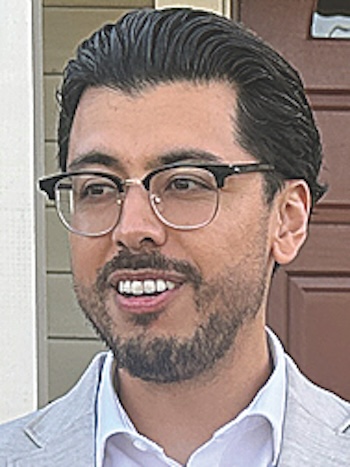
Gonzales discussed working with community partners as a possible solution, though he admitted he did not know how such a project would be funded.
“How can we work closely with organizations like the Community Action Board, which is already addressing anti-poverty issues?” Gonzales asked. “They have solutions… they’re closest to the problem.”
Buffer zones around areas sprayed with pesticides was a popular policy that all candidates were on board with.
Each candidate expressed different ways that they would hold themselves accountable to their constituents. Nuñez promised a 100-day listening tour, while Hernandez explained how his investment in pedestrian infrastructure for Green Valley road demonstrates his accountability to Watsonville voters.
“If voters aren’t pleased with what I’m doing, I will have an open-door policy,” Gonzales said. “You can come talk to me at any time. We will have that relationship, and you will be holding me accountable as we work together.”
Candidates were given the opportunity to ask one another questions and used it to poke holes in their opponents’ campaign. Hernandez questioned how Nuñez plans to fund child care for “everyone in the city,” while Nuñez interrogated Hernandez about where the $850 million that he allegedly brought into the county actually went. Neither had a comprehensive answer to provide the other.
All of the candidates agreed that south county is underserved and decried what they view as a lack of investment in the community. When asked about what differentiates them from the other candidates, Hernandez cited his years of experience, Gonzales his outsider status and Nuñez, his background as a journalist.
Both Gonzales and Nuñez seek to unseat an incumbent, presenting different visions for Watsonville and the Pajaro Valley. But Hernandez insists the work that he’s done should continue.
“I’ve been a council member and mayor for nine years,” said Hernandez. “It is a steep learning curve to learn this job. I’ve been delivering. Getting projects funded is not easy. It takes time, it takes relationships.”