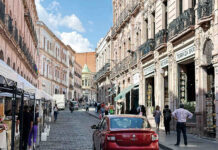

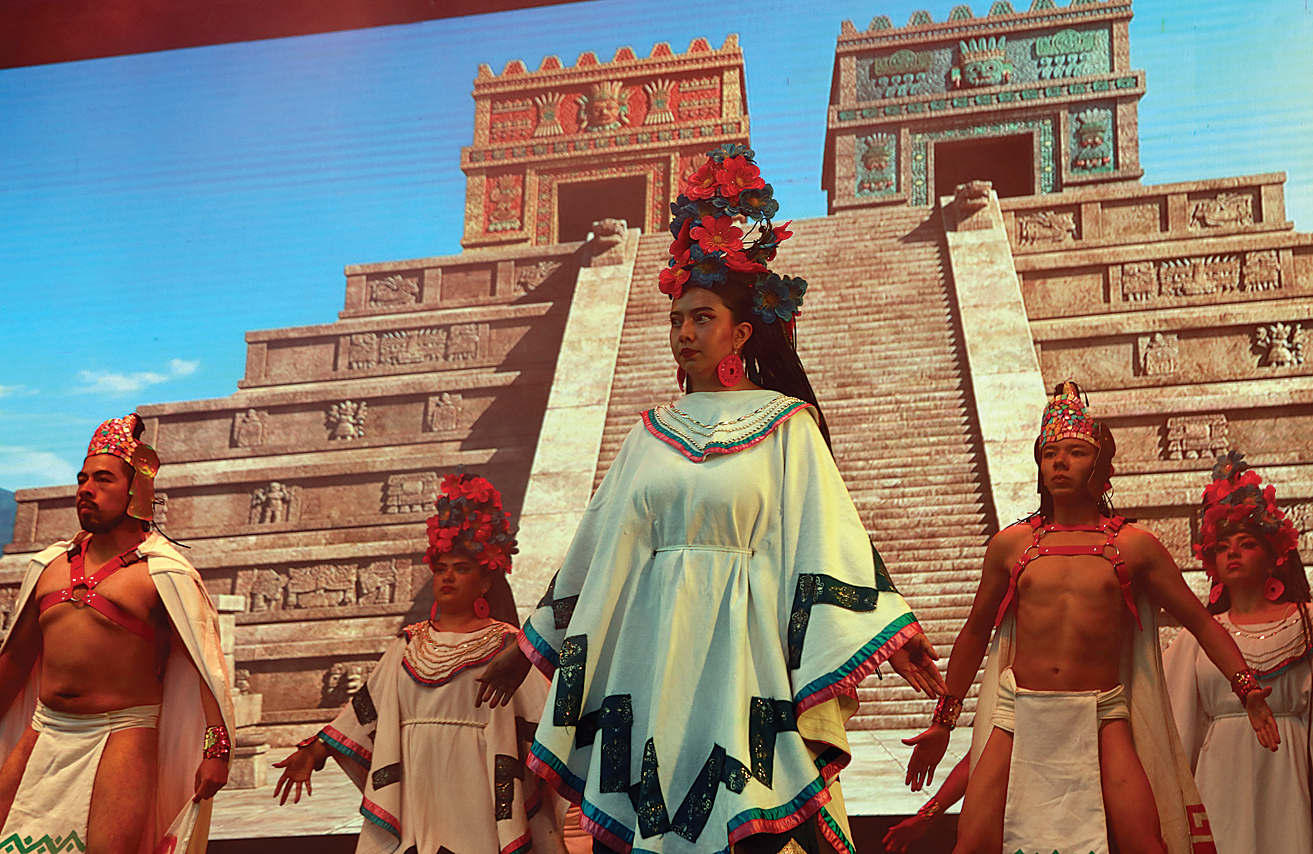
A few days into our weeklong stay in Zacatecas, Mexico, my wife Sarah and I had already taken in several live performances around the hilly cobblestone city of the Festival Zacatecas Del Folclor Internacional, and sampled several of the colorful eateries.
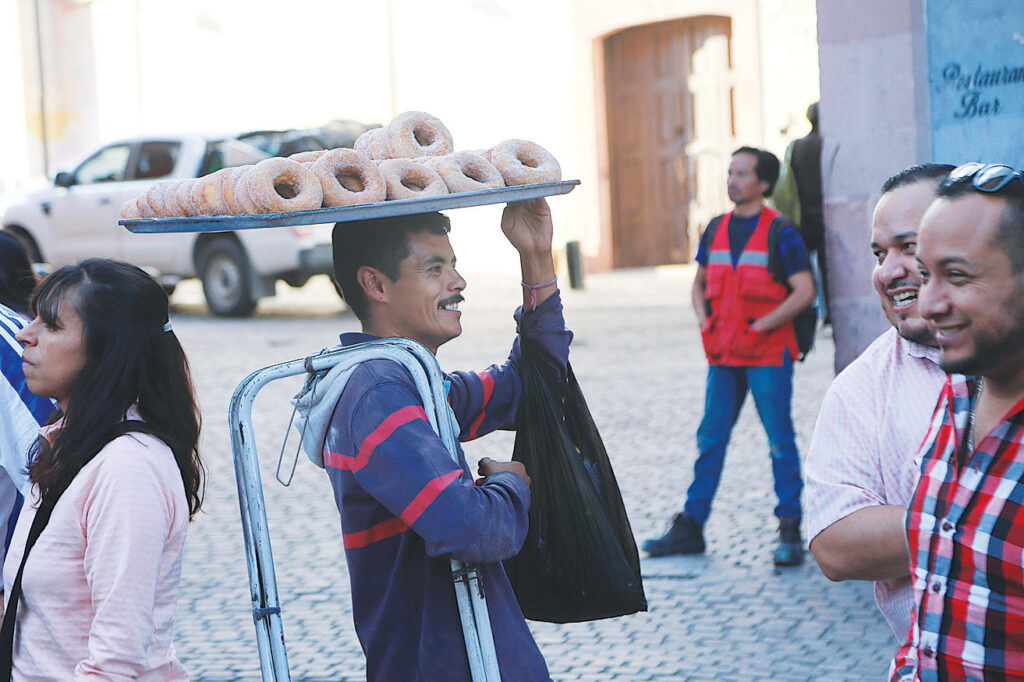
One favorite dining spot we stumbled on, and then frequented, was Gordita Doña Julia. A gordita is a traditional Mexican street food made from corn masa dough. The name translates to chubby, which describes its shape—a thick, plump tortilla that is cooked and then slit open and filled with various ingredients. They made for a great breakfast with an egg, salsa and cheese filling which ran for about $1.25 each. We also went into Sanborns, a popular department store in the center of town for lunch now and again.
A little research and a couple tips from people on the street led us to a city bus for a short ride out to the town of Guadalupe. It’s about 30 minutes away and is known for its beautiful church, convent and museum.
Zacatecas was first settled by the Spanish in 1546. In the mid-17th century, Christian missionaries developed a significant presence and in 1678, construction began on the Convento de Nuestra Señora de Guadalupe—the first major church in Guadalupe. In the 18th century, Franciscans built a hospital and college, along with more churches and chapels.
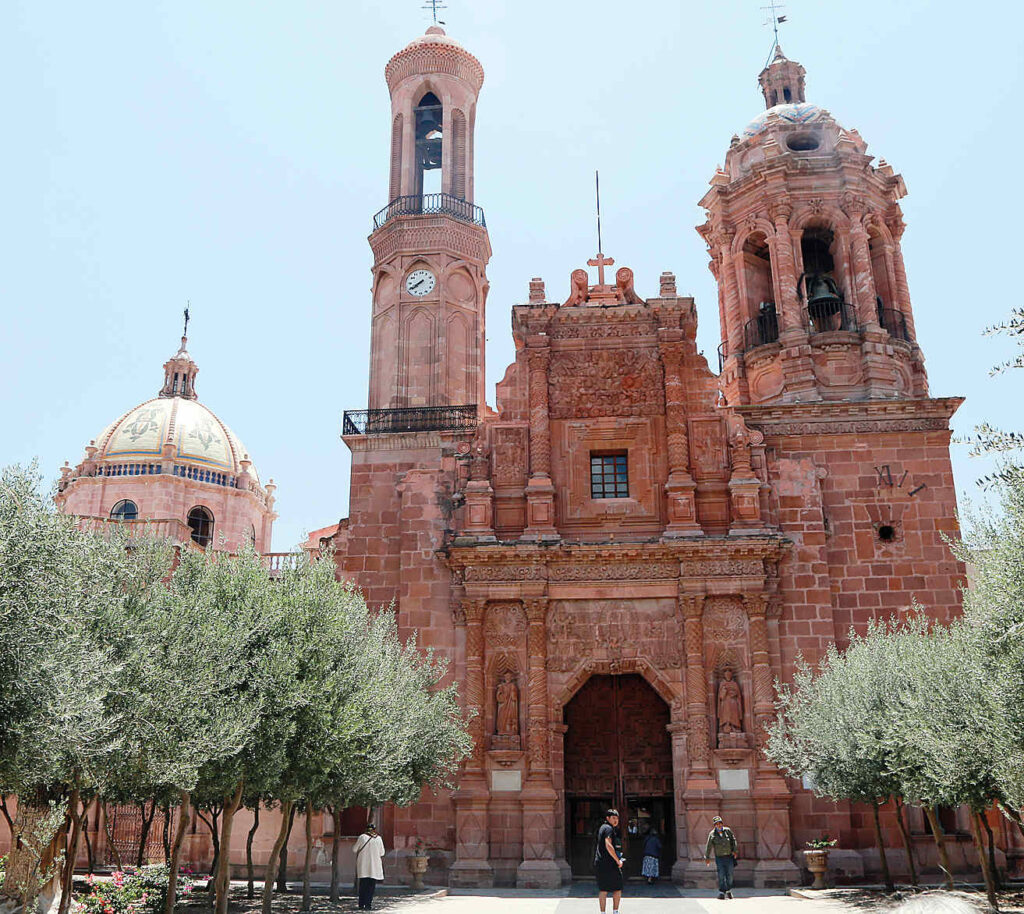
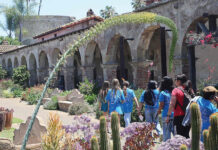
Noteworthy—especially in California—is that the college was a training center for monks who were sent north to evangelize in territories of Mexico and what is now the southwest United States, including the 21 missions that dot the map of California.
We roamed the ancient hallways of the church and convent to check out the giant paintings and other artwork from its past.
Robed monks and other religious figures, many in stages of sacrifice and struggle, fill framed canvas paintings, many embellished with floating cupids and glowing celestial rays.
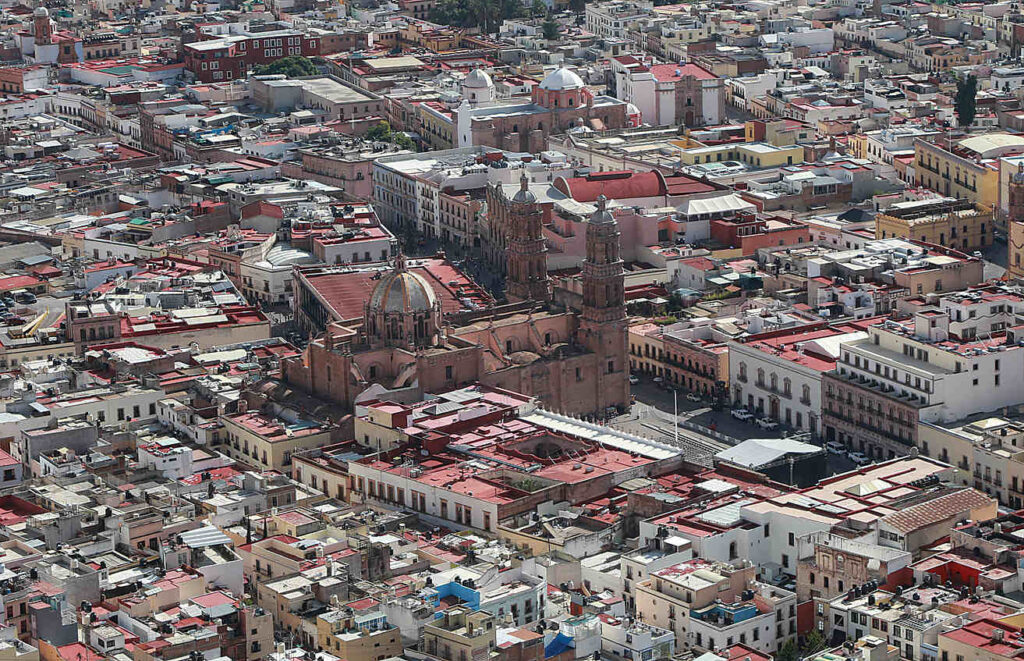
The next day, after sharing a Cubano sandwich at Sanborns, we filtered our way through town, up a few hills to the Teliforica station.
The Zacatecas Cable Car connects La Bufa Hill with Grillo HIll that overlooks the city. It was opened in 1979 and now transports around 300,000 people a year on a 650-meter journey at a height of about 85 meters. The views from the dangling gondolas are incredible. Many of the homes below have created giant paintings, some copies of world masterpieces, for the sake of cable car riders.
In the next part of this series we continue our visits to the folkdance festival and dig deeper into the historic silver mining city.