


Saving a hospital takes more than purchasing its buildings; it takes protecting the care people depend on inside them.
As Watsonville Community Hospital considers permanently closing maternity and newborn services, the community that invested so much in its survival deserves to see the alternatives before those doors close.
In 2022, the rescue campaign raised approximately $65.5 million from more than 450 donors in less than six months. Emergency state legislation created the Pajaro Valley Health Care District, establishing a path to public ownership and local accountability. That extraordinary effort helped bring the hospital out of bankruptcy and keep its doors open.
Our community stepped forward again in March 2024, approving Measure N, a $116 million bond authorization to purchase the hospital property and modernize its facilities. Of that authorization, $40 million funded the purchase of the buildings and land, completed in October 2024. The hospital reported that ownership would eliminate approximately $3 million in annual lease payments.
These were substantial commitments, backed by donations, taxpayer support, organizing and faith in the hospital’s future. They reflected a shared belief that the Pajaro Valley deserves a strong community hospital.
Now, with Labor and Delivery facing possible closure and the neonatal intensive care unit already temporarily closed, the board must explain how it intends to protect that investment and the essential services families depend upon.
The financial crisis is real. Preserving the entire hospital must remain a priority. Measure N funds are dedicated to property and capital improvements, and hospital leadership has explained that they cannot cover ongoing staffing and service expenses. Nevertheless, the scale of the community’s commitment requires a thorough examination of alternatives before permanent closures are approved.
The board needs to answer several fundamental questions publicly.
What would closure actually save? The community needs a complete accounting of expenses that would disappear, overhead that would remain, transition costs and revenue that could be lost elsewhere in the hospital.
Would losing maternity and newborn care affect physician retention, gynecologic surgery, pediatric coverage, referrals or emergency services? Projected savings should reflect the full hospital impact.
What would it take to preserve these services? The board should require a clearly modeled alternative showing realistic delivery volumes, reimbursement, safe staffing, implementation costs and financial targets. The community deserves to see preservation and closure scenarios evaluated with consistent assumptions.
Which alternatives have been seriously pursued? Could stronger referral agreements with local clinics bring more patients to the hospital? Could health plans improve maternity reimbursement or provide support to preserve access? Could another hospital or healthcare system share staffing, specialty coverage or management resources? What proposals have been requested, what responses have been received and why have particular options been rejected?
What is the broader recovery plan? Closing services must be evaluated within a credible strategy for the entire institution. How much could better billing and collections, expanded surgical and imaging services, stronger relationships and an operating partnership contribute? What measurable improvements are expected, and by when?
Where would families receive care? The board needs written evidence of receiving hospitals’ capacity, insurance acceptance and transfer arrangements. It should explain how transportation, language access and continuity of care would be addressed. For working families, care farther from home can mean missed wages, childcare costs and separation from loved ones.
These questions require prompt answers. The board should establish a defined review period, guided by available cash and patient safety, with public milestones and meaningful participation from nurses, physicians, community providers and families.
No one can promise that every service can be preserved. But our community should be able to see that realistic alternatives were studied, their financial implications tested and their consequences understood before a final decision.
We rallied to save Watsonville Community Hospital because its future matters to Watsonville, the Pajaro Valley, Santa Cruz County and Monterey Counties. The money and energy invested deserve careful stewardship. Before permanently closing Labor and Delivery or the NICU, the board owes the community clear answers and a demonstrated effort to find a sustainable alternative.






Felipe
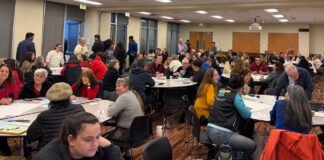
Really great questions all of them. The first answer we need is why there was no accommodation made for zoom during the town hall? Why? Because Tony and friend do what they want when they want with WCH. The services now are terrible so healthcare for residents is doomed in their hands and I will not donate yet again to bail them out. So be it
Francis P Goldstein MD Watsonville