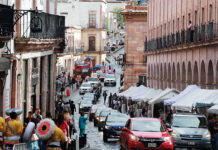

In mid-October, my wife Sarah and I took a road trip into Sierra Gold Country and then to see family in Nevada.
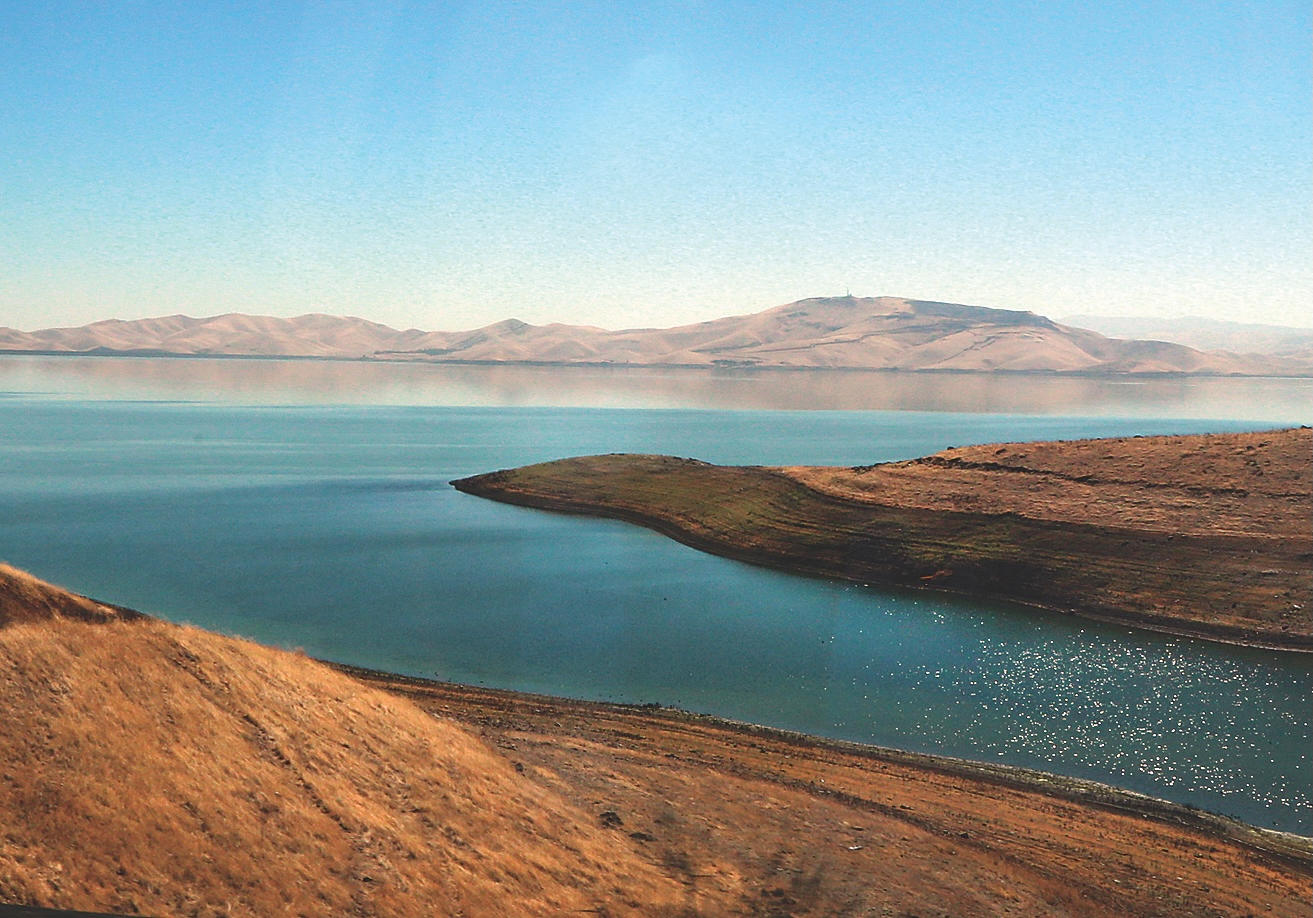
We started the four-day drive by going east on Highway 129 to Hwy 101 past Gilroy to Hwy 152. We always marvel at the size of the San Luis Reservoir that 152 flanks as you head toward Los Banos.
We steered north to the San Luis National Wildlife Refuge and Visitors Center. I’m not sure how this came about, but we’ve become fascinated with tule elk in our travels. Our first exposure to them was a herd roaming the grounds of Grizzly Flats near Suisun City. They look like deer but are somewhat larger.
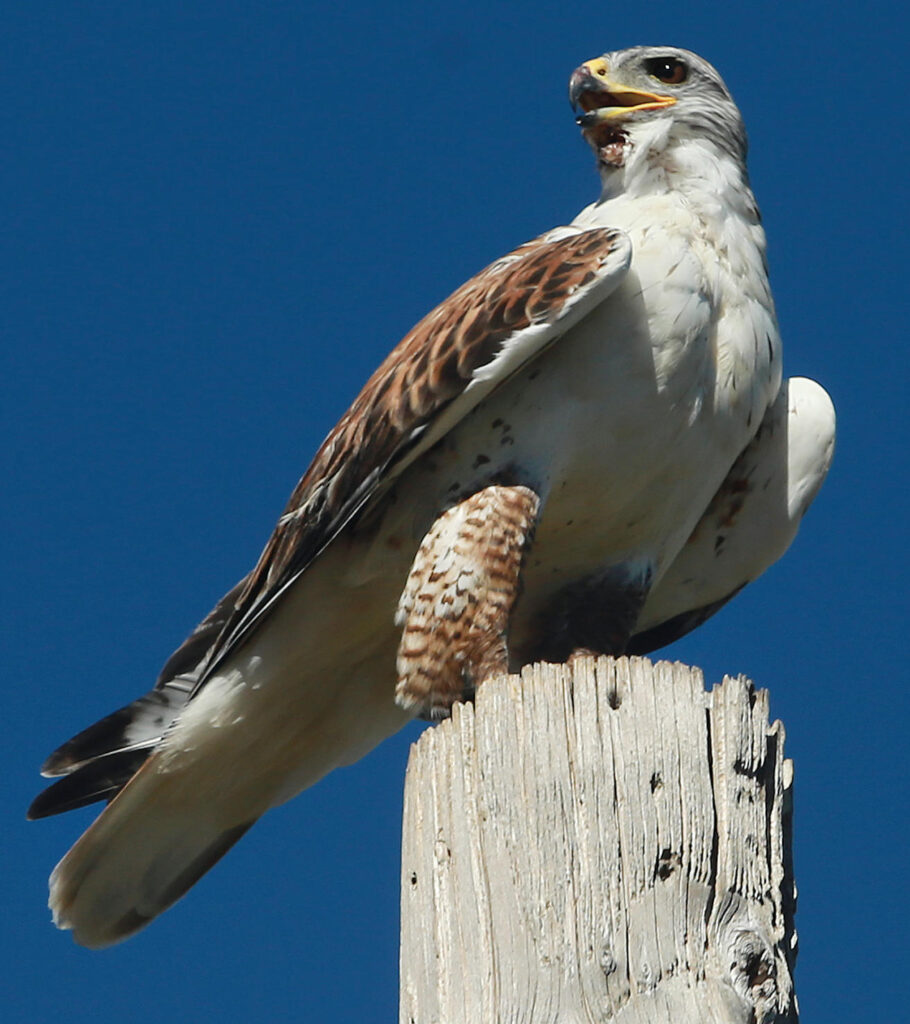
On this trip Sarah learned that there is a herd of tule elk that hang out at the San Luis National Wildlife Refuge, but we were not able to track them down. Birding was fun, however, especially after we spotted a ferruginous hawk atop a wood pole.
We drove north through Merced and then into the Sierra foothills toward Columbia, the small Gold Rush town in California’s Mother Lode where I was born.
Because of the surge of people from around the world who got caught up in the craze for California gold, the population of Columbia blew up, and it was founded as a boomtown in 1850 in Tuolumne County.
With giant dollar signs in their eyes, people flooded into that area from Australia, China, Chile and Mexico, as well as many European nations such as Ireland, Germany and France, eventually earning Columbia the title of the Gem of the Southern Mines.
Despite the onslaught of gold miners, very few of them went home rich. Some of the greatest profits stemmed from business folks who sold supplies, food, equipment and services to miners.
Walking around Columbia is not only a rich blast from the past, it is relaxing and pleasant because they have closed off the downtown to motor traffic.
Columbia is the center of Columbia State Historic Park, a place I’d certainly suggest for a taste of the 49ers and the land they swarmed into and nearly washed all the soil away with their hydraulic mining.
We took a short drive along Hwy 49 over a dam that crosses Melones Lake to stay the night in Angels Camp, the place Mark Twain put on the map for his coverage of the Leaping Frog Contests there. Along the drive we spotted a road sign, “Mark Twain’s Cabin.” At the top of Jackass Hill, west of Tuttletown, stands a rustic replica of the cabin where Mark Twain stayed for the winter of 1864–1865. It’s plain and simple and features a large river stone fireplace.
In the next part of this series we explore nearby Sonora, drive through Twain Harte, Long Barn and up Hwy 108 over the ridge into Nevada.A road trip to the other side of the Sierra