

Published in cooperation between Cardplayer and Pajaronian
Evening routines in Watsonville look different than a decade ago. Where late nights once revolved around a narrow window of bar hours or single-purpose venues, residents now spread their discretionary time across more options, both in town and at home.
For local bars, restaurants and entertainment spaces, that shift has meant rethinking what staying open late actually offers. The goal is no longer just to serve drinks after dark, but to give people a reason to leave the sofa, meet friends and linger a little longer.
Downtown nightlife after midnight
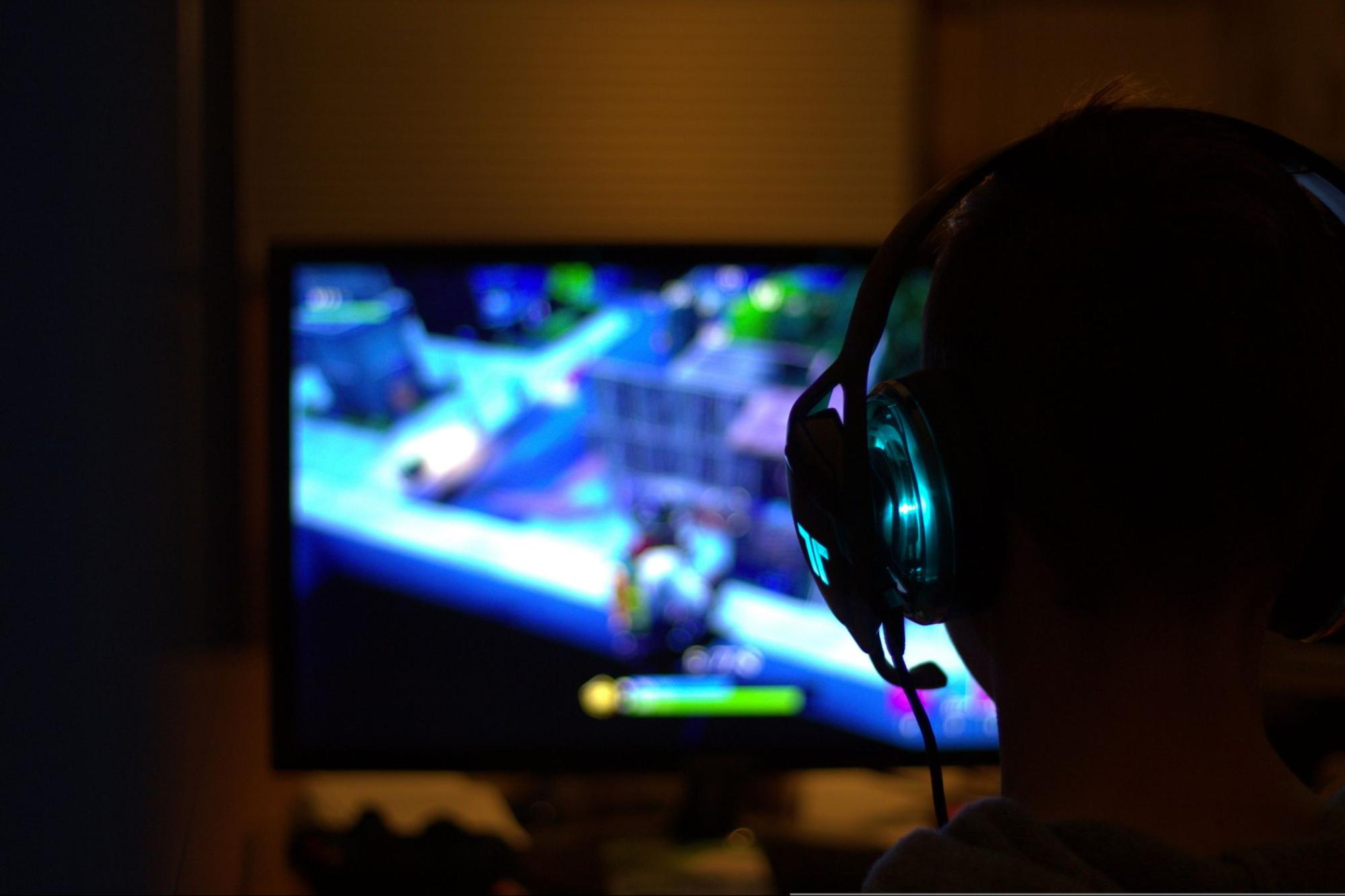
After midnight, downtown Watsonville competes with more than just neighboring venues. Streaming platforms, social gaming and other digital pastimes have made staying in feel easier and cheaper. For some residents, evening entertainment now includes everything from multiplayer video games to online casino California options from home, all without worrying about closing times or transport. The latter are growing in popularity mostly because of their advanced game libraries, flexible gameplay and multiple payment methods. As Pajaro Valley still doesn’t have a brick-and-mortar casino, online options are handier at the moment.
Also, late-night businesses need to sharpen their appeal now. Simply unlocking the doors late is not enough when people can access entertainment instantly. Venues that still draw a crowd tend to offer atmosphere, social interaction or activities that feel hard to replicate on a screen.
This matters because nightlife thrives on shared experiences. When that communal element fades, downtown foot traffic does too, affecting not just bars but nearby eateries and service businesses that benefit from evening activity.
Competition from at-home entertainment
One response to at-home competition has been the rise of “eatertainment,” where food and drink are paired with games, music, or interactive experiences. National data underscores why this approach resonates. A 2025 hospitality survey reported that 30 percent of adults prefer venues combining activity, food and drink in one place, according to research highlighted by Restaurant Business.
For Watsonville, this trend aligns with a desire for nights out that feel intentional rather than routine. Trivia nights, casual tournaments and live DJ sets create reasons to show up at a specific time, not just to order another round. They also encourage groups, which can stretch a visit from one hour into three.
The broader shift reflects changing expectations. People increasingly want value beyond the menu, especially when discretionary spending is tighter and entertainment choices are endless.
Local business strategies and partnerships
Adaptation has also meant rethinking the menu itself. Late-night food offerings used to be limited and predictable, but extended menus now play a bigger role in keeping kitchens relevant after traditional dinner hours. Smaller plates, shareable items and themed happy hours help smooth out quieter periods without the cost of full service.
At the same time, wellness trends are reshaping drink menus. Many patrons still want the social feel of a bar without committing to alcohol-heavy nights. That shift is measurable. A 2024 report cited by The Daily Meal found that non-alcoholic beverages rose 30 percent in popularity, reflecting growing interest in low- and no-alcohol options.
In practice, this opens doors for more inclusive nights out. Mocktails and alcohol-free beers allow mixed groups to stay together longer, while designated drivers and health-conscious guests no longer feel sidelined. For businesses, it diversifies revenue without extending hours further.
What Watsonville owners say next
The real question is not whether late-night habits will keep changing, but how flexible local venues can remain. Watsonville’s strength has always been its sense of community, and nightlife that leans into that identity stands a better chance of lasting. Spaces that host fundraisers, showcase local music or collaborate with nearby restaurants help anchor evenings around connection rather than consumption.
There is also a practical takeaway for residents. Supporting venues that experiment—whether through new activities, extended menus or alcohol-free options—signals what kinds of nights out the community values. In a landscape crowded with at-home entertainment, choosing to go out becomes an active decision.
Taken together, these shifts suggest a quieter but more intentional late-night scene. Watsonville’s evenings may not look like they once did, but they are evolving into something shaped by creativity, flexibility and a clearer sense of why going out still matters.