
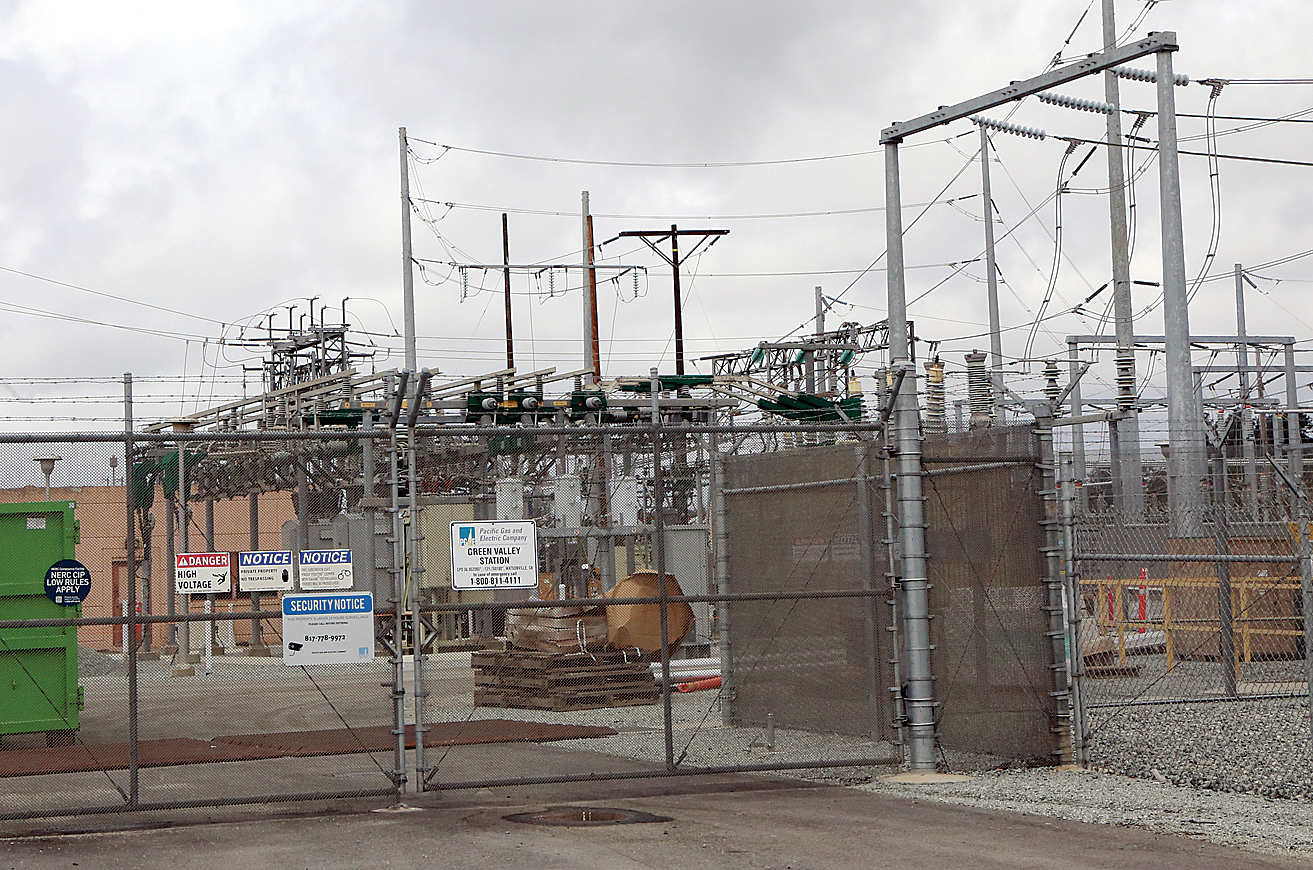
New Leaf Energy, the company proposing a battery energy storage system (BESS) facility for Minto Road in Watsonville, has submitted a pre-application to the California Energy Commission seeking approval for the project.
The move was a possibility county officials have long feared since the project was proposed in January 2025: that the company would appeal to a higher regulatory authority if Santa Cruz County officials took too long to decide on a framework of regulations for new BESS systems.
Such facilities have been a vexing concern in Santa Cruz and Monterey counties since 2025, when a fire at a Vistra-owned BESS facility in Moss Landing burned for days and spewed toxic black smoke throughout the region.
Later testing found heavy metals in the soil thought to have come from the fire.
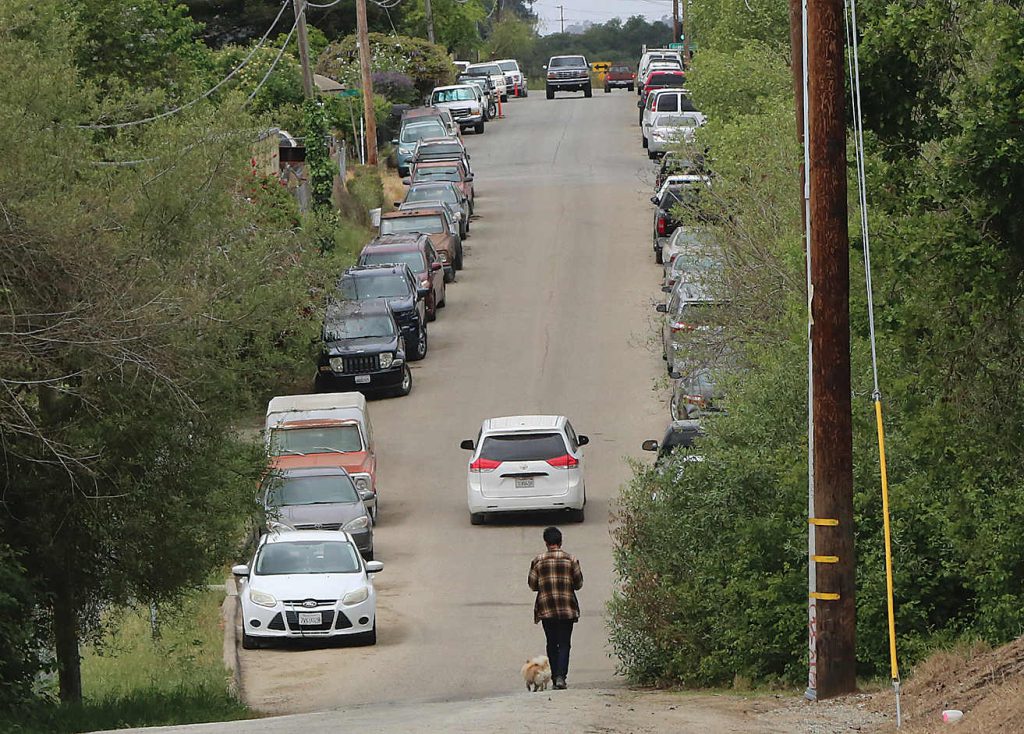
New Leaf has proposed a new facility—namedSeahawk—at 90 Minto Road, a rural area near several homes and Pinto Lake City Park.
The chemistry the Minto plant will utilize does not use the heavy metals found from the Vistra fire, a company representative said.
Project developer Max Christian has said the proposed facility will use next-generation technology, and is far more evolved than that of the Vistra site.
He told The Pajaronian the company is exploring a possible “state permit route” under a 2022 law that allows larger-scale energy projects to bypass local land-use restrictions, with the CEC serving as the lead agency for environmental review.
The pre-application process, he said, allows New Leaf Energy to work with the CEC to better understand how the state permitting process would function.
“The goal is to secure a permit for the project on a timeline that meets the deadlines imposed by the California Independent System Operator (CAISO),” he said.
The County Board of Supervisors in January approved a draft ordinance to regulate new large-scale battery energy storage systems in unincorporated areas, while maintaining local oversight.
Christian said amendments added Jan. 13 by the Board of Supervisors make the Seahawk project “nonviable.”
“Particularly, the requirement of an additional approval by the Board of Supervisors for the transfer of ownership for the project would create a significant hurdle to project financing and is also unprecedented in the energy sector,” Christian said.
If the company proceeds under state oversight, Christian said New Leaf does not anticipate changes to the project’s safety plan or design, as it already meets current national and state codes and requirements, including those in the county’s draft ordinance.
But the permitting agency could impose additional requirements based on agency review or community feedback, he said.
If New Leaf pursues the state permitting process, it will likely further strain the company’s already tenuous relationship with the community, which has raised concerns about the project since it was proposed in 2025.
Christian said the company “remains committed to a safe and beneficial project for the community that will reduce energy costs, increase energy reliability and provide jobs and tax revenue for the county.”
“New Leaf Energy will continue to engage the community and seek input to improve the project,” he added. “Our expectation is that taking the state route with the CEC will maintain the nation-leading approach to safe operation of the facility represented in the county’s pre-amendment draft ordinance from Jan. 13.”
Santa Cruz County Supervisor Felipe Hernandez, whose district includes much of Watsonville, called the move “disappointing.”
“We worked so hard on our ordinance to keep our community safe and maintain local control,” he said in a text message. “It’s the strongest BESS ordinance in the United States. We ensured it includes best practices and strong safeguards for our residents. Despite New Leaf considering to opt out, I’m hoping we can come to an agreement with several of the key safety items on the ordinance.”
County spokesman Jason Hoppin said officials have long recognized the possibility of a state review.
“We are hopeful that the CEC and New Leaf will incorporate elements of our proposed ordinance as the project moves forward,” he said in an email. “As originally conceived, the Board’s framework included some of the strongest fire, emergency response and environmental protections of any local ordinance, while helping facilitate a necessary transition to a carbon-free future.”