
On a recent road trip to Atascadero, a city that lies about 115 miles south of Watsonville, my wife Sarah and I took umpteen diversions off the main highway to gather a better sense of the Salinas Valley and surroundings.
Heading out San Miguel Canyon Road, we caught Hwy. 101 south through Salinas and took our first exit through the tiny town of Chualar.
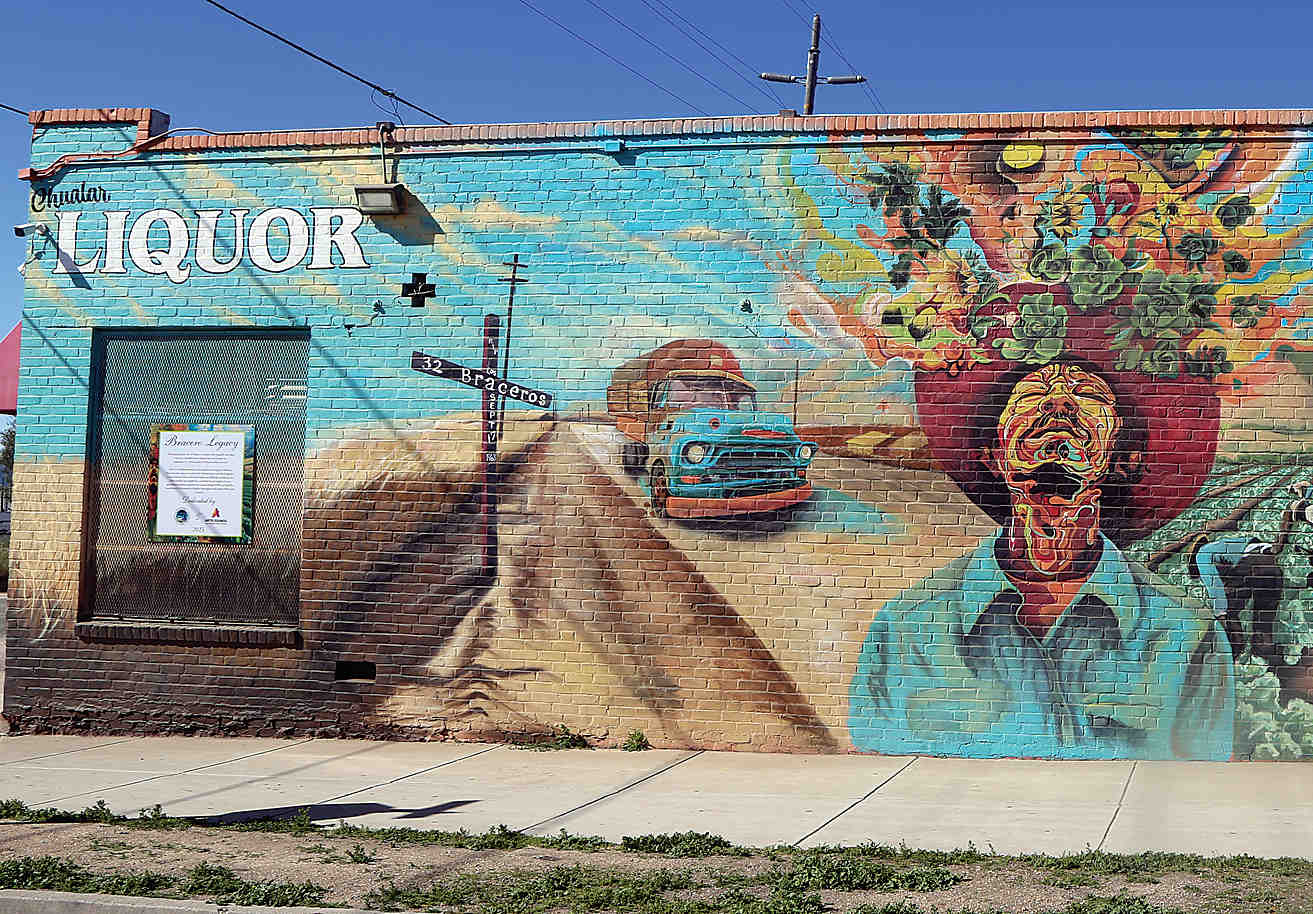
The diversion paid off right away when we spotted a massive outdoor mural on the walls on Chaluar Market depicting the Braceros program. Bracero is Spanish for laborer. In the 1960s, the program brought around 5 million Mexicans to the U.S. agricultural industry. On Sept. 17, 1963, a train crashed with a truck carrying about 50 laborers, killing 32 of them in Chualar, as referenced in the mural.
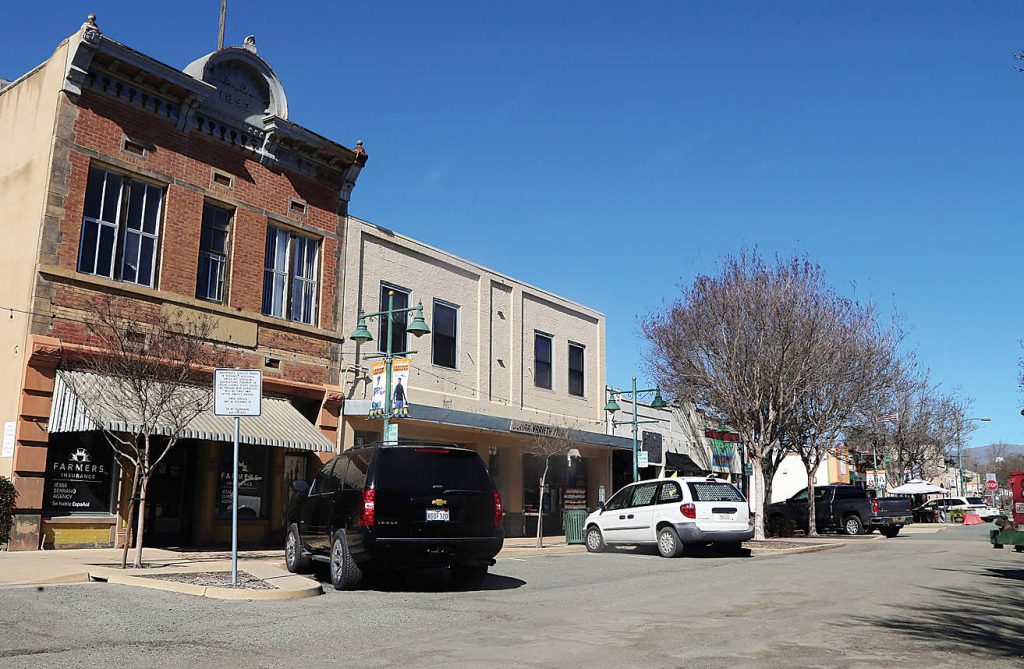
We were surprised to see a grand entrance to the town of Gonzales, a large green metal archway welcoming people to the small downtown area. Near the Post Office we spotted a group of about 10 men spread out on city benches. I waved to one of them and, as if by cue, every one of them swung around and offered us a hearty wave in return. On the Main Street in Gonzales we passed a number of small shops, many that wore the sign of a lot of years.
As we passed through Gonzales we noticed the Lucky Bamboo Chinese Cuisine restaurant, couched in the corner of an early-day building beside a drug store with an old neon Rexall Drug sign hanging above its entrance.
Staying on the back roads, we wandered past scads of old barns, windmills and water tanks. We spotted the simple architecture of the 1935 San Bernardo Grange 50G.
In a quiet neighborhood near Bradley we rolled past an older home whose large side yard was crowded with older model pickup trucks, most of them rusting and draped in dust and spider webs.
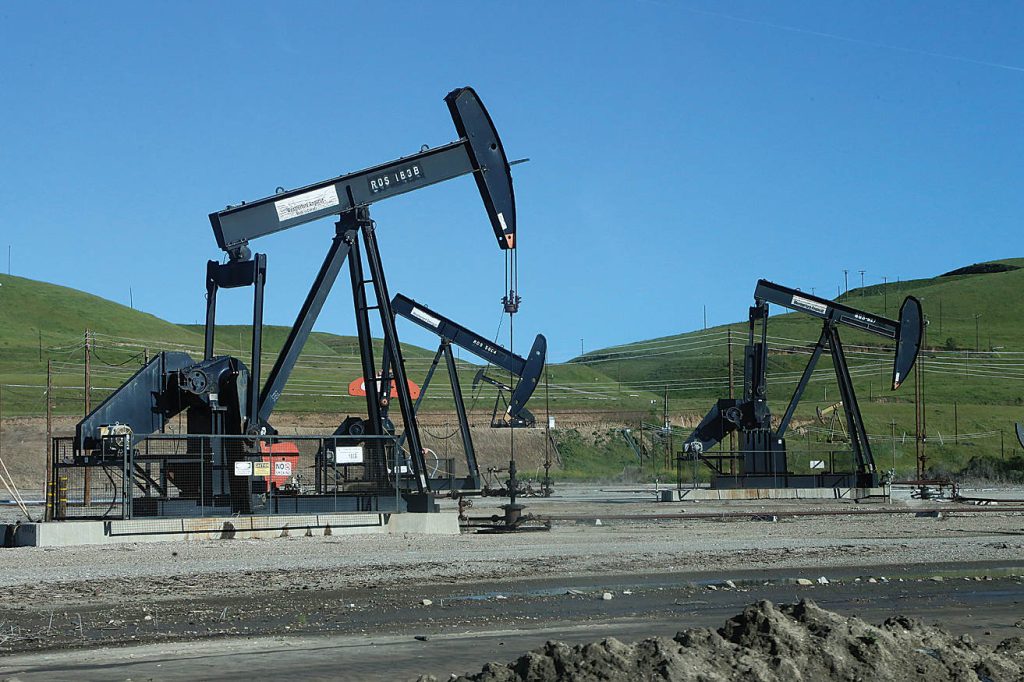
Near Bradley we came upon the Ardo Oil Field about 20 miles north of Paso Robles.
According to Chevron, the large oil field is the eighth-largest producing oil field in California, and in 2021 produced approximately 7,000 barrels of oil per day.
It was here along the railroad tracks we spotted a red-tailed hawk standing on the metal rails as if posing for western style painting. Then an osprey cruised into the scene, its large wings holding on to the drift of wind.
Birding has long been a part of our travels. My mom was an advanced birder, and she always intoned the notion that it’s a hobby that can follow you wherever you go. She said you don’t have to be on a miles long rugged mountain rail to see birds, noting that she’s spotted amazing hummingbirds in a shopping center parking lot in Arizona, and a peregrine falcon in downtown San Diego.
We got off of Highway 101 in Atascadero and, by arrangement, we headed to the Carlton Hotel in the downtown area for the night. According to the brass plaque on the hotel it was built in 1928 as a single story building. Then, a 52-room hotel on the second floor, called the Annex, opened its doors at a gala event on Nov. 28, 1929. Our room was comfortable, tidy and spacious with a great view of the downtown strip.
In the second half of this story we meet our friends, Brett and Lucia, former teachers in the Pajaro Valley, for dinner in Paso Robles and take in the colors of the downtown corridor.