
Settling into the Sunset West Best Western Hotel on Sunset Boulevard in Los Angeles, my wife Sarah and I had a couple days to explore the old and new of one of America’s largest cities.
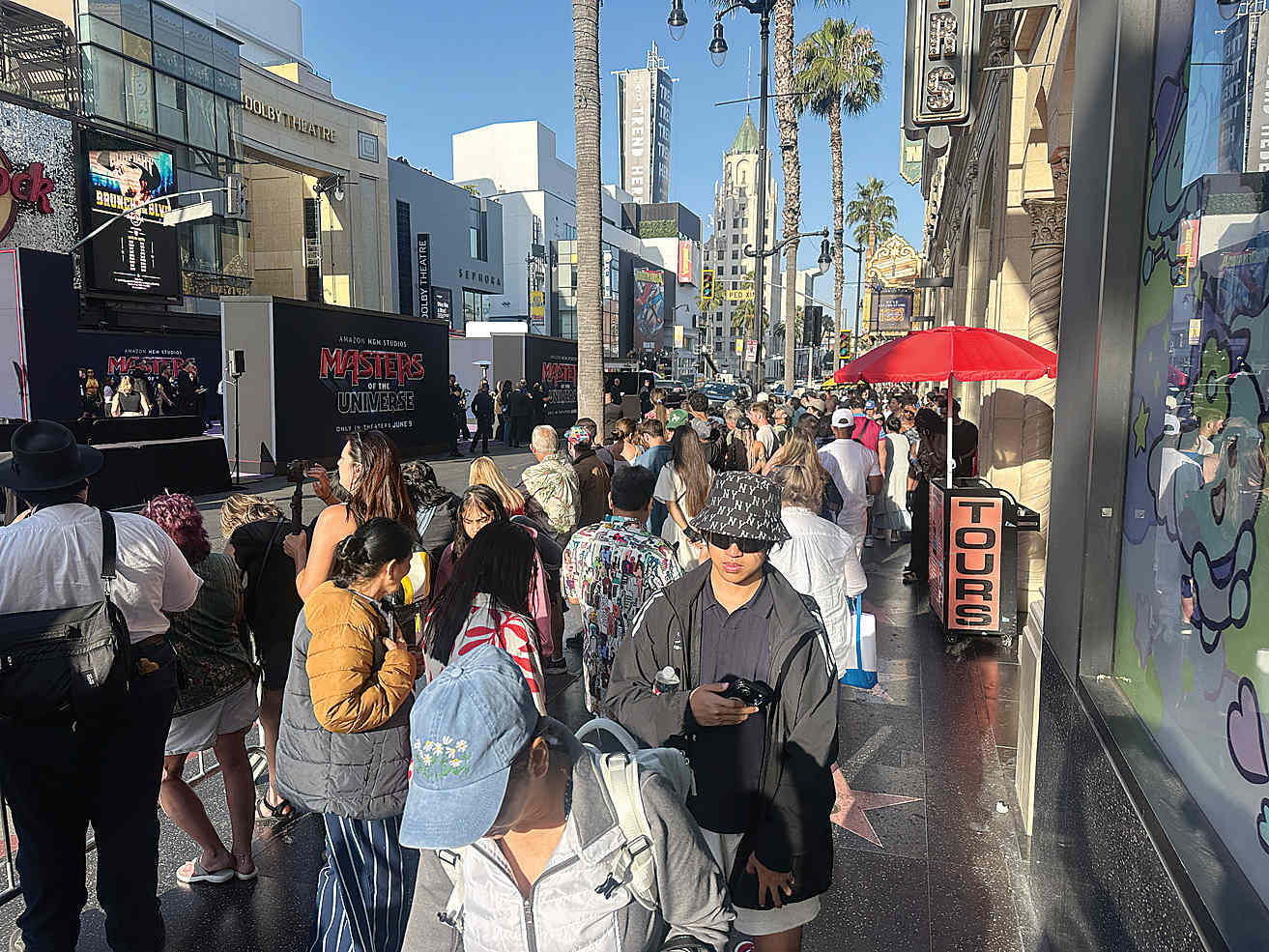
In this third part of a series, we wander the busy streets of a place built around the theme of sunny palm trees that have no business being there. Thanks to folks in the early 20th-century, real estate marketing and the film industry, tens of thousands of palm trees, mostly Mexican fan palms, were planted along major boulevards to give L.A. a tropical, Mediterranean tone.
We were now on day three of a nine-day road trip from Watsonville to Southern California. Two nights in Los Angeles on Sunset Boulevard barely gave us enough time to absorb the wide scope of the place, but we had a colorful list of things to do including the Laurel Canyon Country Store.
Built in 1919 as a lodge for local hunters, the hillside wooden store eventually became a melting pot for Hollywood stars and pop music icons. Orson Welles, Clara Bow and Errol Flynn all lived here. Rock musician Frank Zappa lived nearby, and Mama Cass of the Mamas and the Papas lived in the basement. Cass would later introduce Graham Nash to David Crosby and Stephen Stills to the place while Jim Morrison, lead singer for the The Doors, lived next door.
We also stopped by the Charlie Chaplin studios at the corner of La Brea Avenue and Sunset Boulevard. This is where the famed filmmaker and actor worked and filmed several of his movies between 1917 and 1953. The spot later earned a designation as a Los Angeles Historic-Cultural Monument.
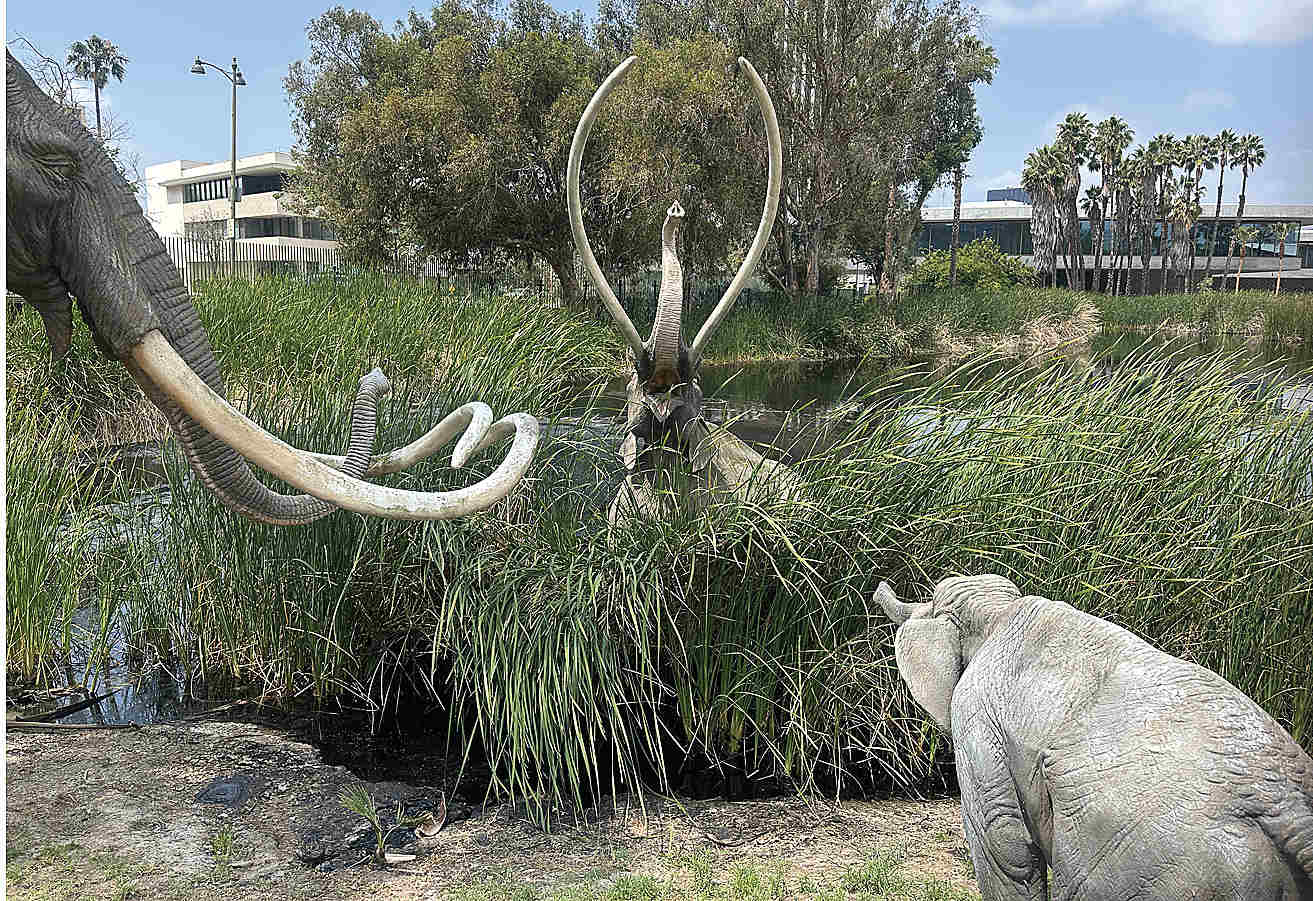
The La Brea Tar Pits and Museum was next. The tourist attraction is still an active paleontological research site in urban Los Angeles and sits at the center of Hancock Park that includes a group of tar pits where natural asphalt has gurgled up from the ground for tens of thousands of years. Researchers have discovered the well-preserved bones of ancient animals that got trapped in the tar. Indoors, the public can watch a team of researchers picking apart scads of fossils under microscopes in their lab.
We had our first dinner on Sunset Boulevard, across from our hotel in the Rail Diner, fashioned from a 1936 railroad passenger car. While many meals in that area seemed expensive to us, our meal tab was $21.
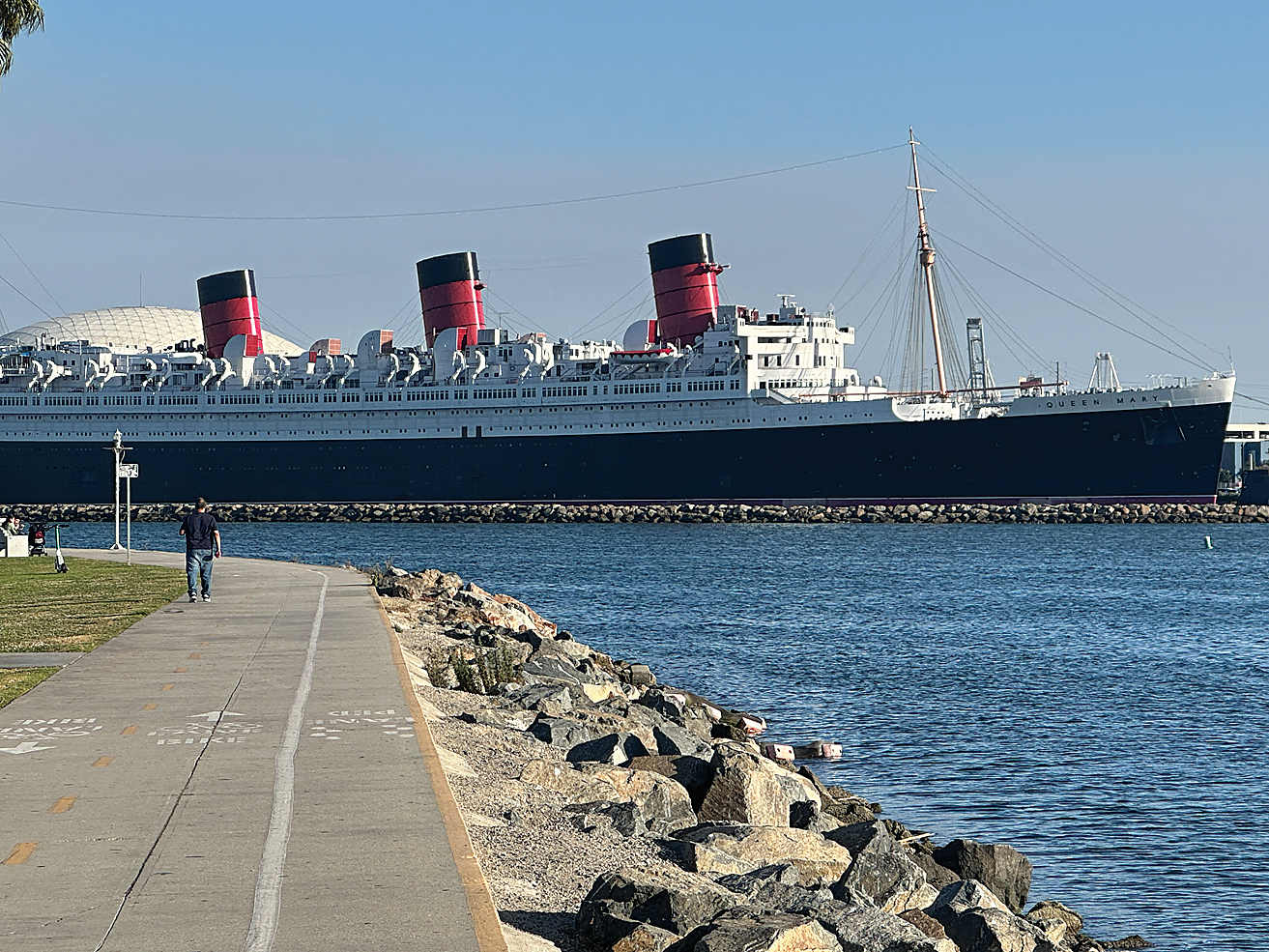
We drove past the RMS Queen Mary, a massive passenger ship launched in 1936 and famous for its luxury and its important role as a World War II troopship.
In the next part of this series we head south to Huntington Beach for birding, the 1776 California Mission at San Juan Capistrano and on to Carlsbad.