

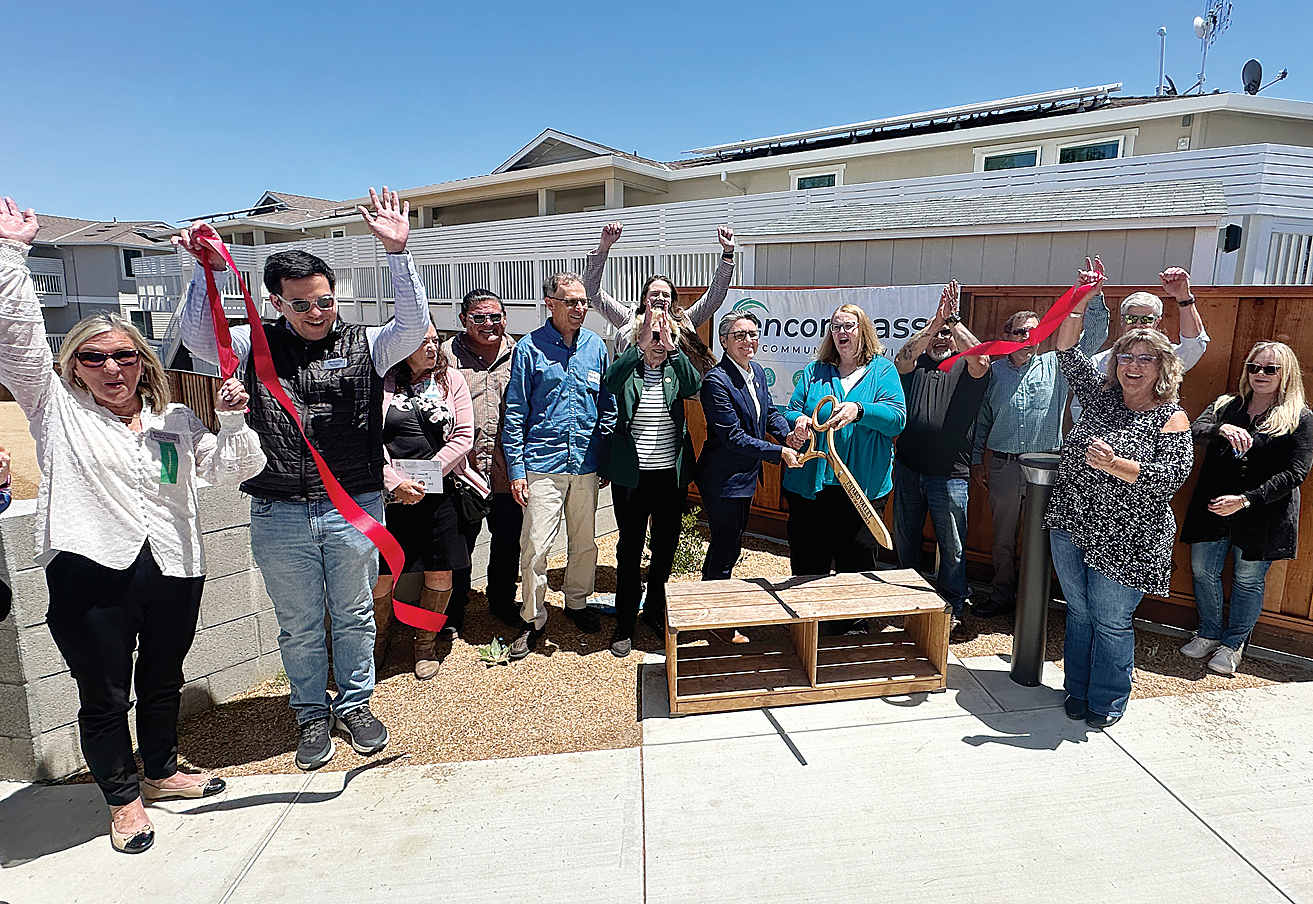
At a ribbon-cutting ceremony Friday in Watsonville, Encompass Community Services celebrated the opening of a new Si Se Puede behavioral health campus on Miles Lane, an $18 million investment aimed at expanding addiction treatment and recovery services in South Santa Cruz County.
The project includes a 30-bed residential treatment center and an outpatient treatment facility serving adults and transition-age youth.
The broader campus also includes 72 units of supportive housing developed in partnership with MidPen Housing. The project broke ground in June 2024 and received approximately $14 million in funding from the State of California.
Encompass CEO Kim Morrison said the new center will allow the nonprofit to serve hundreds more people each year through substance use treatment, mental health counseling and housing support services. She described the campus as a place where people will begin recovery journeys, restore their health and rebuild their lives.
Former Encompass CEO and current Santa Cruz County Board Chair Monica Martinez, who spent nearly a decade shepherding the project, called the center one of the defining accomplishments of her career.
Martinez said the vision grew from a recognition that the former Si Se Puede facility was aging and no longer reflected the dignity and quality of care community members deserved.
She recounted years of fundraising challenges, including an unsuccessful first attempt to secure state infrastructure funding before eventually winning $10 million through California’s Behavioral Health Continuum Infrastructure Program and later securing an additional $4 million for withdrawal management services.
“This community deserves to have a space that’s beautiful, that treats them with dignity and respect,” Martinez said.
Jorge Gutierrez, Si Se Puede program manager and one of the program’s original counselors, reflected on the program’s history. Founded in 1981 with county funding, Si Se Puede initially served 23 clients and was built around bilingual and bicultural treatment for the Watsonville community. Gutierrez said the new facility represents both a continuation of that mission and a major expansion of services, including residential treatment and withdrawal management beds.
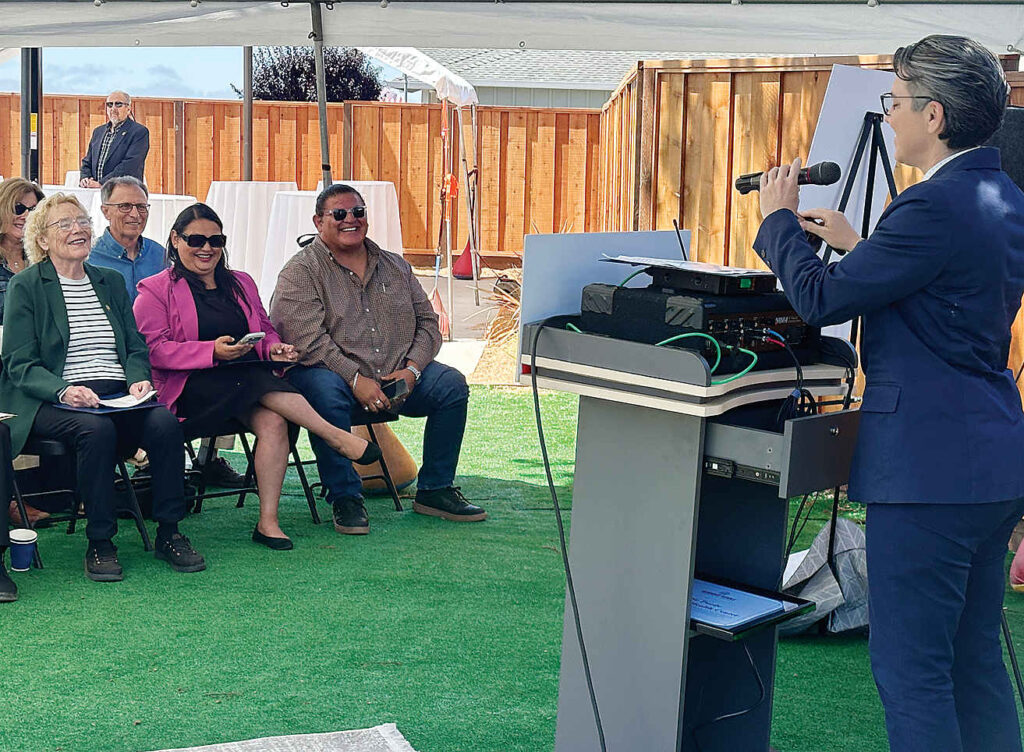
Joseph Luna, a program graduate who later worked at Si Se Puede, shared his personal recovery story. Luna entered the program in 1991 and credited it with helping him reunite with his family, maintain long-term sobriety, build a career and purchase a home. “Recovery will save your life,” he told attendees. “It saved my life.”
U.S. Rep. Zoe Lofgren said she helped secure $900,000 in federal funding for furniture, fixtures and equipment through congressional appropriations. She said the center will provide culturally competent care for thousands of people seeking recovery in the years ahead.
Watsonville Mayor Kristal Salcido emphasized the importance of culturally responsive treatment services for the city’s predominantly Latino population. She said addiction affects people from all backgrounds, but access to treatment that reflects patients’ language and culture is not always available.
Gray Clarke, behavioral health medical director for the Central California Alliance for Health, noted that the Alliance contributed $2.5 million toward construction. She said the campus creates a comprehensive continuum of care by combining housing, medication-assisted treatment, withdrawal management, residential treatment and outpatient counseling services in one location.
“I’m so glad I was able to come out here today and see it,” she said. “We supported this particular project because we wanted to expand access to treatment and recovery services for our members. We wanted to increase residential treatment capacity, reduce wait times, and create a continuum of care in one environment.”